Day 18 - Dawn of the Dead (1978) and the End of an Era | 31 Days of Halloween
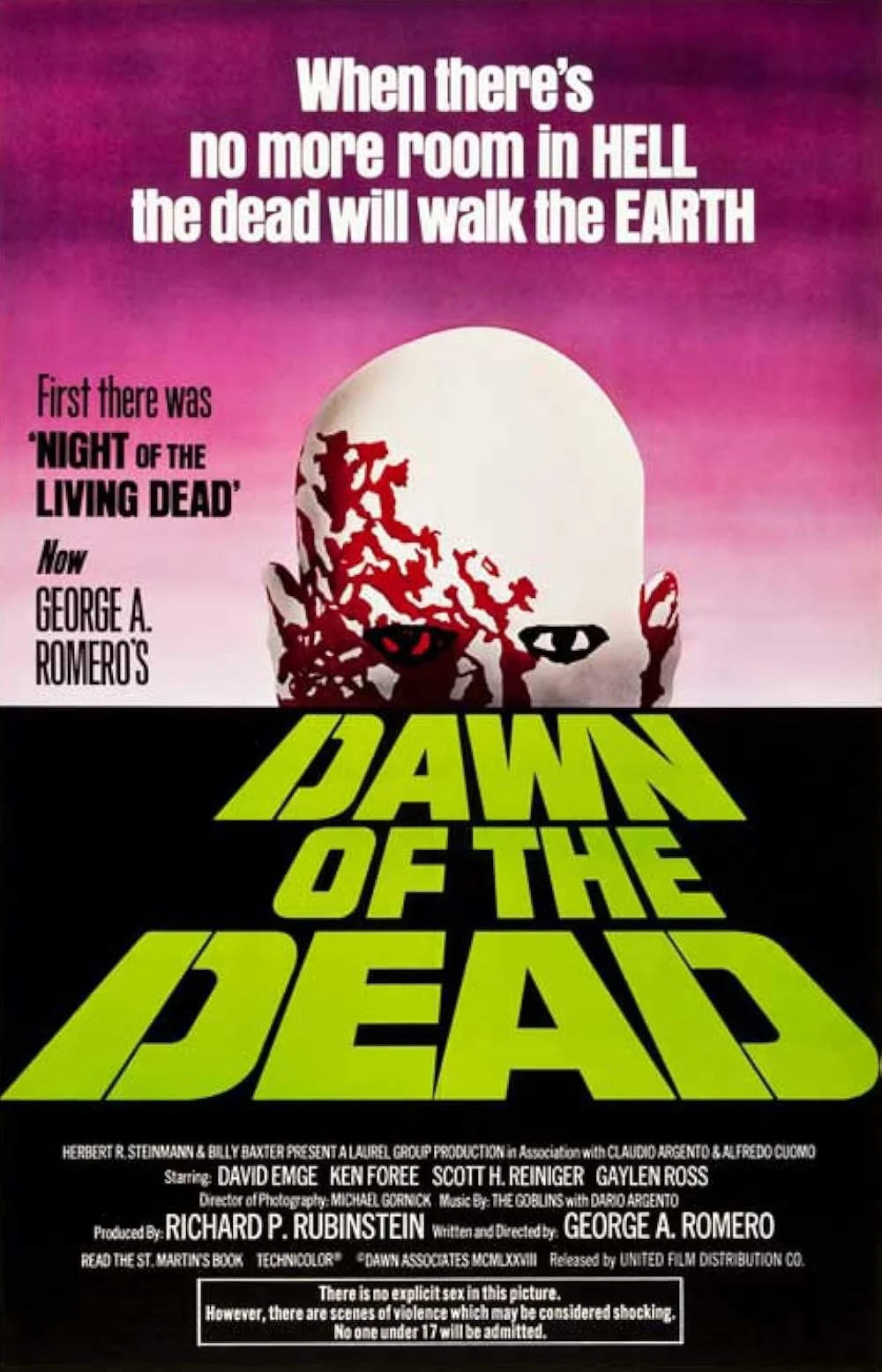
George A Romero’s Dawn of the Dead (1978) was my pick for Day 18 of our 31 Days of Halloween, as part of the Undead, Infected, & Horde category. It’s a movie I hadn’t revisited in quite a while, and I’d forgotten just how much it contributed to the zombie genre ebyond the obvious blood, guts, and hordes of undead.
Its also a movie that feels especially relevant this Halloween, as the Monroeville Mall, where much of the movie was filmed, faces an uncertain future. With redevelopment plans threatening the original building, 2026 could be its final Halloween season as the shopping mall horror fans have know for nearly fifty years.
Expanding Romero’s Zombie Apocalypse
In the ten years since Night of the Living Dead (1968), horror filmmaking and the zombie sub-genre had evolved considerably. Romero returned to the undead with a much larger vision of what a zombie apocalypse could look like, along with the social commentary he could weave into the story.
Night of the Living Dead established so much of what we now recognize as modern zombie horror, but its story was relatively contained. A small group of survivors barricade themselves inside a farmhouse while the world outside falls apart.
Dawn of the Dead takes that concept and expands it. This time, we see more of how society reacts to the initial outbreak before it collapses around our characters. We see the panic inside the TV newsroom, the desperate attempts by law enforcement and emergency services to contain the outbreak, and the deterioration of the morals that had governed society up to that point.
We also see how quickly the struggle for survival becomes a struggle for resources. People fight over shelter, supplies, and territory, and eventually, groups of armed raiders emerge to take whatever they want from those who have managed to survive, all concepts that would be developed even further in the years since from The Walking Dead to The Last of Us and even 28 Days Later.
“Where Night of the Living Dead helped to define the modern zombie, Dawn of the Dead helped define the world those zombies would inhabit.”
Consumerism in the End Times
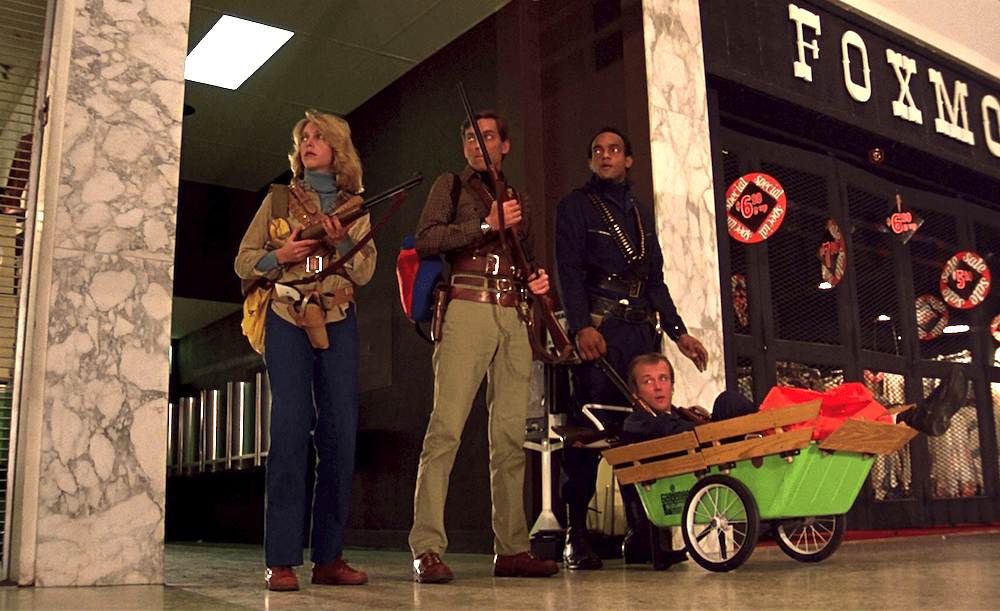
Of course, the movie's most recognizable contribution is its setting.
After escaping the chaos of the city, a small group of survivors discovers a shopping mall and decides to make it their home. It's a seemingly perfect refuge, offering food, clothing, entertainment, and nearly everything else they could possibly need.
But, Romero had quite a bit more to say about the mall than simply using it as a convenient location.
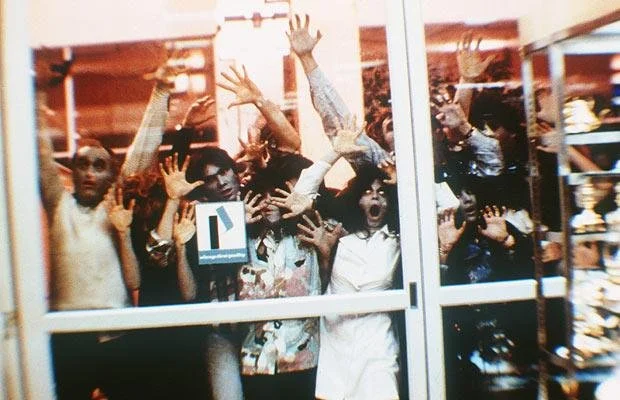
The zombies are instinctively drawn there, wandering the hallways and storefronts, seemingly compelled to return to a place that meant something to them when they were alive. They no longer have any use for the products surrounding them, but the habits they previously built their lives around remain.
The survivors aren't much different. Once they've secured the mall, they begin spending their days shopping, trying on clothes, and enjoying the luxuries of a consumer society that no longer exists. It's the great paradox: they now have nearly everything they could ever want, but they have very little use for any of it anymore either.
It speaks to something I've noticed throughout my life: so much of what humans do, from the clothes they buy to the accessories they wear, comes from a desire to project a certain image to others. When everyone else is gone, what value do these items have? What value did they have in the first place?
When the raiders arrive, the same behavior emerges. They tear through the mall taking merchandise they have no practical use for, including one guy who grabs a bowling ball that he’ll seemingly have zero use for. Even with society in ruins, the impulse to acquire things remains.
Across these groups, Romero presents the same compulsive desire to acquire and consume, even when doing so serves no actual purpose.
I recalled the movie's commentary on consumerism, but I'd forgotten just how thoroughly the idea ran through the entire story. It's ingrained in nearly every action and motivation from start to finish, and it gives Dawn of the Dead an identity that extends far beyond its place in zombie movie history.
Nearly fifty years later, the commentary hasn't lost much of its relevance. Our shopping habits have changed, but the underlying relationship between consumption, identity, and satisfaction is still very much a part of our society. In many ways, social media has become the modern shopping mall, a place where people display what they own, what they buy, and the lifestyle they want others to believe they have.
Even ownership itself can be part of the illusion. We live in a world of subscriptions, rentals, and carefully curated online images of wealth and success. Whether someone actually owns the expensive car, designer clothes, or luxurious home they're showing off often matters less than the impression those things create.
It's still a performance, just for a much larger audience.
When Paradise Becomes a Prison
One of the more interesting aspects of revisiting Dawn of the Dead is how much the film slows down once the survivors have established themselves inside the mall.
After the chaos of the opening act and the excitement of securing their new home, the characters settle into a routine. Their days become repetitive, and the excitement of having access to an entire shopping center gradually gives way to boredom and isolation.
Early in the film, one of the characters warns that the mall could become a prison, and eventually, that's exactly what happens. The survivors are no longer struggling to stay alive from one moment to the next, but they aren't really living either.
I think Romero deliberately reflects that monotony in the film's pacing. The middle portion can feel like a slog at times, but that's also how life has become for the characters. We're experiencing some of the same restlessness and frustration that they are, reinforcing the emptiness of their seemingly perfect refuge.
That’s why when the raiders finally arrive, the movie kicks into its highest gear, delivering a terrific final act that feels all the more exciting because of the slower stretch preceding it. It's also where Romero really drives home his commentary on consumerism, as the raiders risk their lives to take possessions that have little practical value in the world they're now living in.
How Well Does It Hold Up?
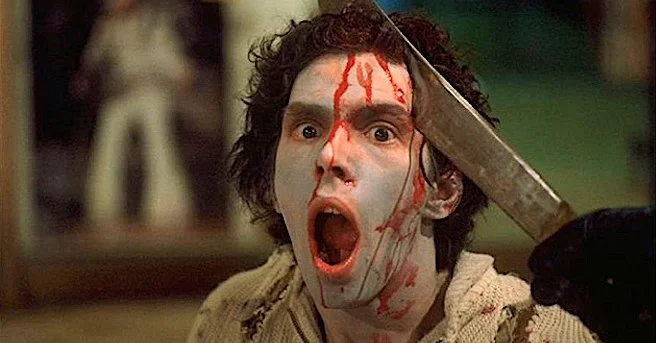
There's no getting around the fact that certain aspects of Dawn of the Dead have aged, although the practical effects are something of a mixed bag.
Tom Savini's makeup and gore effects were groundbreaking for their time, and many remain impressive today. The exploding head, machete wound, and gruesome entrails are particularly memorable examples of the craftsmanship involved. On the other hand, some of the biting effects and the blue-gray zombie makeup are considerably less convincing, especially compared with what we're accustomed to seeing in modern horror.
I think it's important to give the film some grace here, though. Romero and his collaborators were still helping invent the language of modern zombie cinema. The elaborate prosthetics, decaying flesh, and detailed creature effects we associate with the genre today didn't emerge fully formed. These filmmakers were developing techniques that countless productions would build upon.
And while zombie makeup has evolved tremendously in productions like The Walking Dead, there's still plenty of low-effort zombie schlock being produced today that doesn't come close to what Savini accomplished in 1978. It's a testament to the enduring strength of practical effects and the craftsmanship behind them.
I also had some issues with the sound on the version I watched. The balance between the music, dialogue, and sound effects wasn't especially good, and certain moments sounded noticeably dated.
I'd love to see a new, widely accessible 4K release with a carefully restored soundtrack. The film's complicated distribution history has made that more difficult than it should be, but hopefully we'll eventually get a version that gives both the picture and audio the attention they deserve.
None of these issues fundamentally undermine the movie, but they're noticeable on a modern rewatch.
The Final Halloween at Monroeville Mall
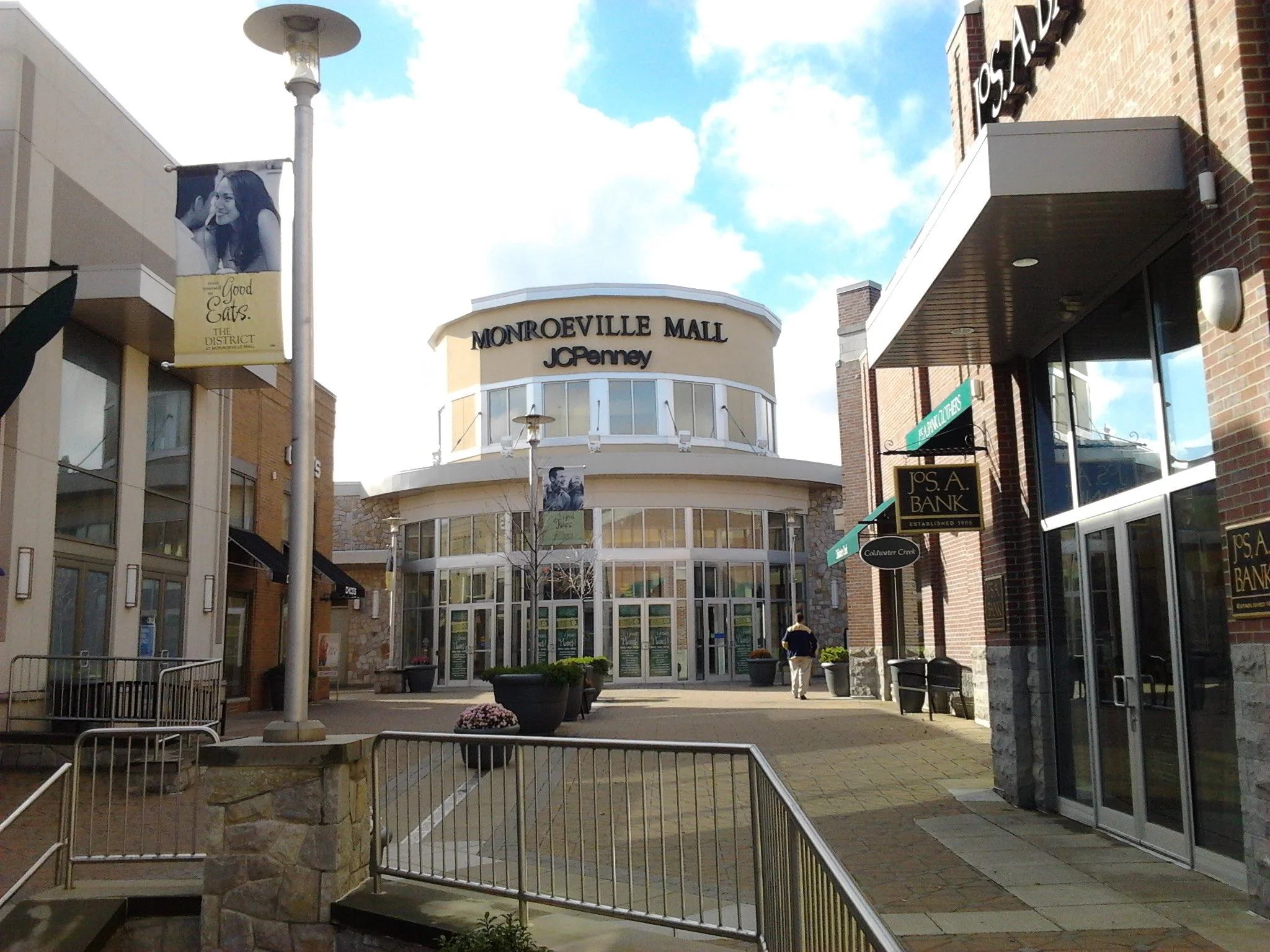
There's another reason this particular viewing of Dawn of the Dead feels different in 2026.
The Monroeville Mall in Pennsylvania, where Romero filmed much of the movie, may be approaching the end of its life as a traditional enclosed shopping center.
Walmart purchased the property in 2025, and redevelopment plans have raised the possibility of demolishing the existing mall and replacing it with a new commercial development. Tenants were reportedly told they would need to vacate by April 2027, although local officials have since indicated that the demolition timeline remains uncertain.
For nearly fifty years, the mall has been more than a filming location. It's become a destination for horror fans, with visitors traveling from around the world to walk through the same building that helped define the modern zombie movie. Conventions, festivals, and other celebrations have helped preserve that connection to Romero's work.
With the mall's future uncertain, it's possible that 2026 will be its final Halloween in its familiar form. Its last horror convention, its last festival, and perhaps even its last holiday season as the mall we've come to recognize may already be behind us.
There's something fitting, and a little sad, about that.
Romero chose the shopping mall as a symbol of America's obsession with consumption. Nearly half a century later, the building itself may be demolished to make room for another commercial development. The enclosed shopping mall may be fading from American culture, but the behaviors Romero was criticizing haven't disappeared. They've simply found new outlets.
I doubt Romero could have anticipated this particular fate for his most famous filming location, but it's difficult to imagine a more appropriate final chapter.
Final Thoughts
Revisiting Dawn of the Dead reminded me why the film remains such an important part of horror history.
The scope of Romero's vision, the strength of the social commentary, and the ambition of the production still hold up remarkably well. He took the relatively contained nightmare of Night of the Living Dead and developed it into a much larger examination of how society might respond to its own collapse.
What surprised me most on this rewatch was just how thoroughly Romero's commentary on consumerism is woven into the story. It's a message that feels every bit as relevant today as it did in 1978, even if the ways we consume and present ourselves have changed.
And with the future of Monroeville Mall hanging in the balance, there's an added sense of nostalgia to revisiting the film this Halloween.
The mall may eventually disappear, but the film and its influence certainly aren't going anywhere.
Join me next time as the 31 Days of Halloween takes flight with our Witches theme.
🎃
Previous Day: Day 17 - Before Evil Dead Rise: Revisiting Lee Cronin’s The Hole in the Ground.
Click here to view all 31 Days of Halloween articles.
Enjoyed the blog? Join the newsletter for monthly movie picks and new releases.