I recently had the chance to watch an early screener of Grizzly Night, a new film based on the true story of two separate grizzly bear attacks that occurred in 1967 in Montana’s Glacier National Park, just nine miles apart.
Made on a relatively modest budget of around $3 million, the film features a mostly lesser-known cast, with familiar faces including Oded Fehr (The Mummy, The Mummy Returns) and Matt Lintz (Ms. Marvel). If you’re going into this expecting a full-on creature feature, though, it’s probably best to reset those expectations right away.
Grizzly Night is not a horror movie in the traditional sense. This isn’t trying to be the Jaws of killer bear movies, and it doesn’t approach the story in a sensational or exploitative way. The attacks themselves are never shown directly, and the violence is kept fairly restrained. The focus here is much more on the people involved and the broader circumstances surrounding the events.
I was generally familiar with the real-life story going in, though I’m sure the film isn’t 100% historically accurate. One of the central themes the movie explores is just how naive park officials and visitors were at the time when it came to interacting with wildlife, especially when it came to feeding practices. From a modern perspective, some of these behaviors can feel almost unbelievable, but that really speaks to how much our understanding of wildlife safety has evolved since the 1960s.
The first half of the film leans into that lack of awareness, often in ways that can feel frustrating to watch with present-day knowledge. As the film moves into its second half, the tone shifts significantly, becoming much more somber as the real-world consequences of these events are explored. The filmmakers’ decision to use real bears rather than CGI adds a level of authenticity to the atmosphere, and the closing moments in particular leave a heavy emotional impression.
That said, the film does have its limitations. The budget constraints are noticeable at times, and while the main performances are serviceable, some moments feel uneven. A few scenes may stretch believability for modern audiences, even when they’re rooted in historical context.
On a personal level, I found Grizzly Night to be a pretty heavy watch. Consider this a content warning for anyone who may be sensitive to themes involving animal harm, even when that harm is mostly implied rather than shown. The film also touches on the aftermath of these attacks, including how they contributed to widespread fear and hunting of grizzlies that nearly pushed the species toward extinction in certain areas, an element that adds another layer of tragedy to the story.
While this isn’t a movie I see myself revisiting often, I do think the story itself is an important piece of wildlife history that’s worth knowing. Even if you end up skipping the film, I’d recommend reading up on the real events and the policy changes that followed in the years after.
Grizzly Night feels like a sincere attempt to tell a difficult true story within its budgetary limits. It isn’t aiming to be a traditional creature feature, and while it didn’t fully land for me personally, I do appreciate the grounded approach it takes. The film arrives on Digital and DVD on February 2nd.
If you enjoy discussions on When Animals Attack movies, our podcast has covered that topic as well:
Enjoyed the blog? Join the newsletter for monthly movie picks and new releases.
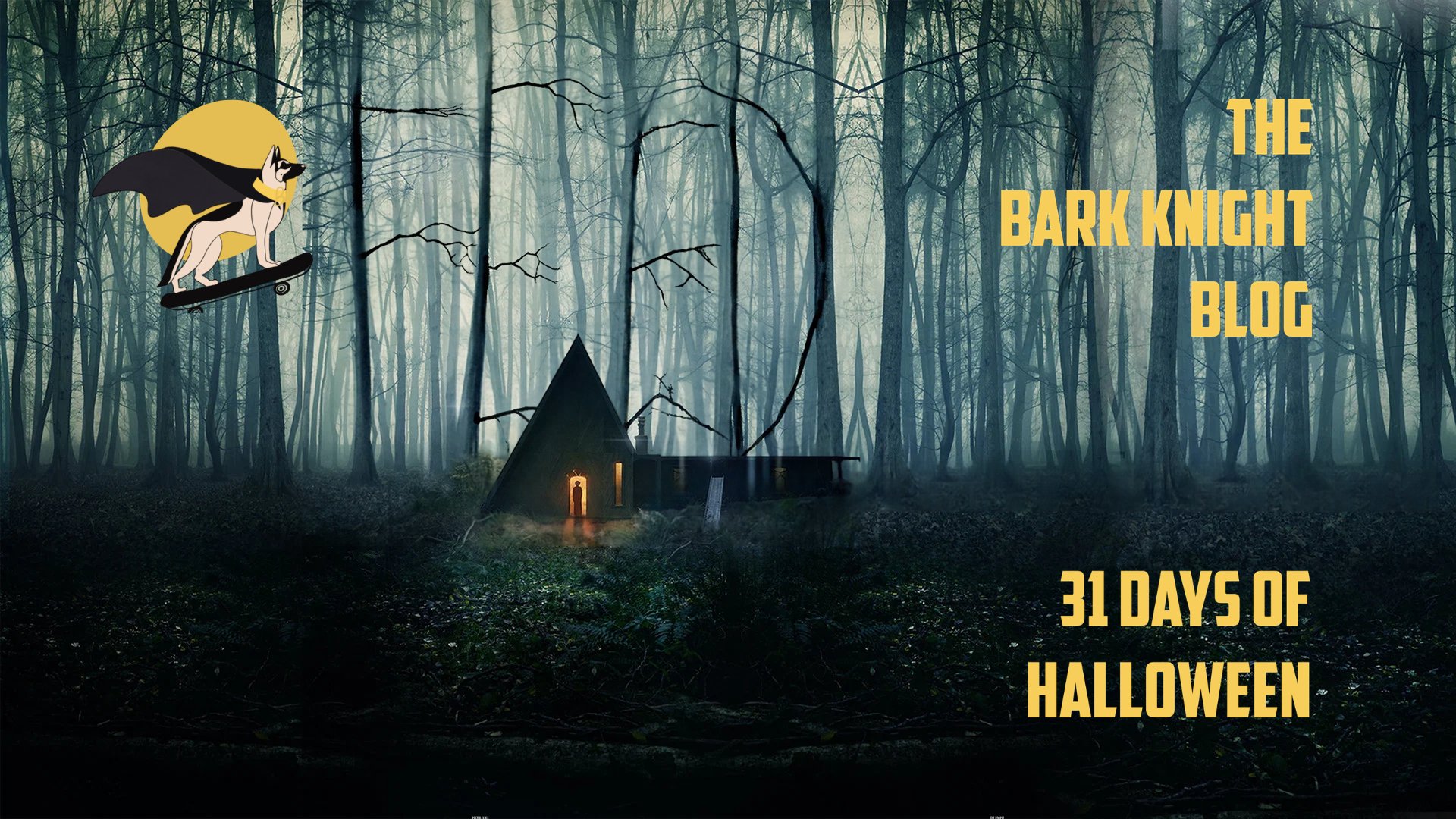
Osgood Perkins’ Gretel & Hansel surprised me with its haunting atmosphere, striking visuals, and incredible electronic score. Here’s why this overlooked folk horror film deserves another look.
Revisiting Wes Craven's The People Under the Stairs (1991) reveals a horror film with plenty to say about wealth, exploitation, and the abuse of power. From childhood fears to modern concerns about housing and ownership, this bizarre '90s classic feels more relevant than ever.
The Final Girls (2015) puts a fantastical spin on the classic '80s slasher, blending self-aware humor, familiar horror tropes, and a surprisingly heartfelt story about grief, family, and the memories we leave behind.
Released between two eras of the franchise, Scream 4 (2011) bridges the original trilogy and its modern sequels. We revisit Wes Craven's final Ghostface film, its commentary on social media, and why it remains one of the series' strongest entries.
For Day 19 of 31 Days of Halloween, I'm revisiting Mandrake (2022), a Shudder original that blends witchcraft, unsettling folklore, and plenty of blood. It may not be a standout in the genre, but there's enough atmosphere and mystery to make it worth a watch.
For Day 18 of 31 Days of Halloween, I revisit George A. Romero's Dawn of the Dead (1978), exploring its lasting influence on zombie horror, its commentary on consumerism, and the uncertain future of the Monroeville Mall.
Before Evil Dead Rise and The Mummy, Lee Cronin made his feature debut with The Hole in the Ground, an atmospheric take on changeling folklore that delivers plenty of creepy-kid horror, even if it rarely surprises.
House of Darkness asks you to spend nearly 90 minutes watching Justin Long and Kate Bosworth navigate talk as you slowly piece together what’s actually going on. The journey is surprisingly engaging, but does the payoff justify the wait?
Terror Train doesn't reinvent the slasher, but its confined train setting, costume-switching killer and Jamie Lee Curtis give this 1980 horror movie plenty of personality.
The Cursed takes familiar werewolf mythology and turns it into something much darker, blending Gothic atmosphere, folk horror and body horror into a grim period tale of violence, guilt and supernatural revenge.
Tom Halstead has collected more than 150 4K movies despite one small problem: he doesn't own a 4K player or 4K TV. From steelbooks and boutique releases to elaborate collector's editions, he shares the 12 favorite pieces in his growing physical media collection.
For Day 13 of the 31 Days of Halloween, I finally watched When a Stranger Calls. Its famous opening and final act still worked for me, but what happens when you experience an influential horror movie after decades of seeing other filmmakers build upon its best ideas?
A The Lost Boys (1987) review exploring its iconic 80s style, vampire mythology, and why it remains one of the most accessible horror films of its era.
A Halloween II (1981) review exploring Michael Myers, Laurie Strode, and how the sequel bridges the original film and the rise of 80s slashers.
Day 10 of 31 Days of Halloween explores City of the Living Dead, Lucio Fulci’s occult horror film blending atmosphere, undead terror, and supernatural dread.
Day 9 of 31 Days of Halloween features a deep dive into The Silence of the Lambs, exploring Hannibal Lecter, Buffalo Bill, and how the film redefined serial killer thrillers and modern horror.
Day 8 of 31 Days of Halloween dives into Demons (1985), a wild Italian cult classic where possession spreads, chaos erupts, and 80s horror goes full throttle.
Day 7 of the 31 Days of Halloween celebrates Tremors as the ultimate creature feature, breaking down its iconic moments, practical effects, cast, and why it remains endlessly rewatchable.
Day 6 of 31 Days of Halloween dives into A Nightmare on Elm Street 4: The Dream Master, breaking down Freddy’s wild kills, 80s vibes, practical effects, and where this entry fits in the franchise.
A spoiler-light review of V/H/S/Halloween as part of our 31 Days of Halloween series, breaking down each segment, standout moments, and how it compares to other entries in the Shudder-era V/H/S franchise.
A look back at Stephen King’s 1408 as part of 31 Days of Halloween, exploring its psychological horror, legacy as an adaptation, and modern remake potential.
A spoiler-light review of Grizzly Night, a somber film based on true grizzly bear attacks in 1967. This grounded drama explores wildlife history, tragedy, and its lasting impact.
Day 3 of 31 Days of Halloween explores Rogue (2007), a killer crocodile thriller that delivers tense scares, strong performances, and one unforgivable mistake.
A tense piece of space horror, The Last Days on Mars blends sci-fi dread with zombie thrills in Day 2 of The Bark Knight Podcast’s 31 Days of Halloween. Explore the film’s atmosphere, themes, and where it fits within modern space horror.
Reviewing John Carpenter’s Prince of Darkness (1987), a surreal cosmic horror classic and the second film in his Apocalypse Trilogy for 31 Days of Halloween.
A spoiler-free review of Predator: Badlands exploring its bold future-setting, rich yautja mythology, standout performances, and why it’s a must-see for Predator fans.