New Hollywood & Counterculture: Film, Rebellion, and the Rise of Gen X
Real Reel Talk: Why Nostalgia Matters Series
Scene Three: When Hollywood Broke Its Own Script
Picture this: The calendar flips to the late 1960s. The Beatles are getting weird, the Vietnam War is getting bloodier, and Hollywood is teetering on the edge of irrelevance. The old moguls are dying or retreating, while the audience is getting younger, angrier, and harder to please. The studio system you met in our last post, those dream factories with their airtight formulas, suddenly feels like a relic from another era.
And in the middle of it all, the movies start to change. The screen gets darker, the stories get messier, and the heroes get a whole lot more complicated.
This is the dawn of New Hollywood, the age of the auteur, the antihero, and eventually, the blockbuster. The era reflected a changing America while also teaching a whole generation, particularly Gen Xers, how to question authority, distrust the “official story,” and look beyond the surface.
The End of Innocence: How Hollywood Lost the Plot (And Found Something Better)
By the late 1960s, the world is spinning: civil rights protests, assassinations, the sexual revolution, Watergate, and the counterculture movement. The old Production Code, the one that insisted married couples sleep in separate beds and that criminals always be punished, was falling apart. Audiences were no longer interested in polished fantasies or clean-cut heroes. They wanted something raw, unpredictable, and closer to the chaos unfolding outside their windows.
Hollywood’s response was simple: let younger filmmakers take over.
A new wave of directors, many of them film school–trained and heavily influenced by European cinema, started reshaping American movies. They weren’t interested in morality plays or glossy musicals. They wanted realism, ambiguity, and stories that challenged audiences instead of comforting them.
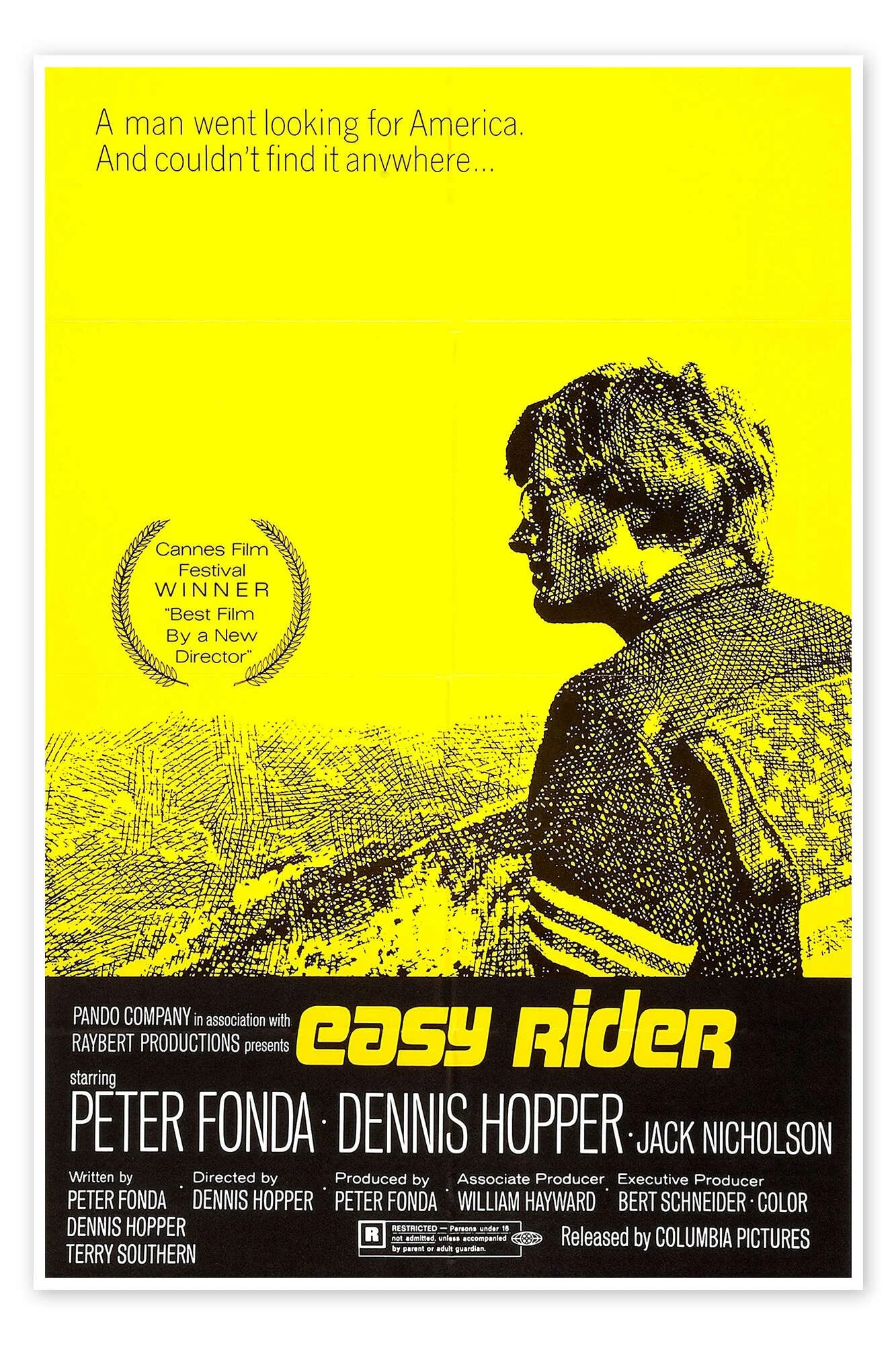
Easy Rider became ground zero. Two bikers, an open road, drugs, paranoia, and an America that looked nothing like the one people were used to seeing on screen. Its success shocked the industry: a low-budget independent film becoming a cultural landmark almost overnight.
Suddenly, studios were willing to take creative risks that would have been unimaginable a decade earlier. The result was one of the most creatively explosive periods in Hollywood history.
The Age of the Auteur
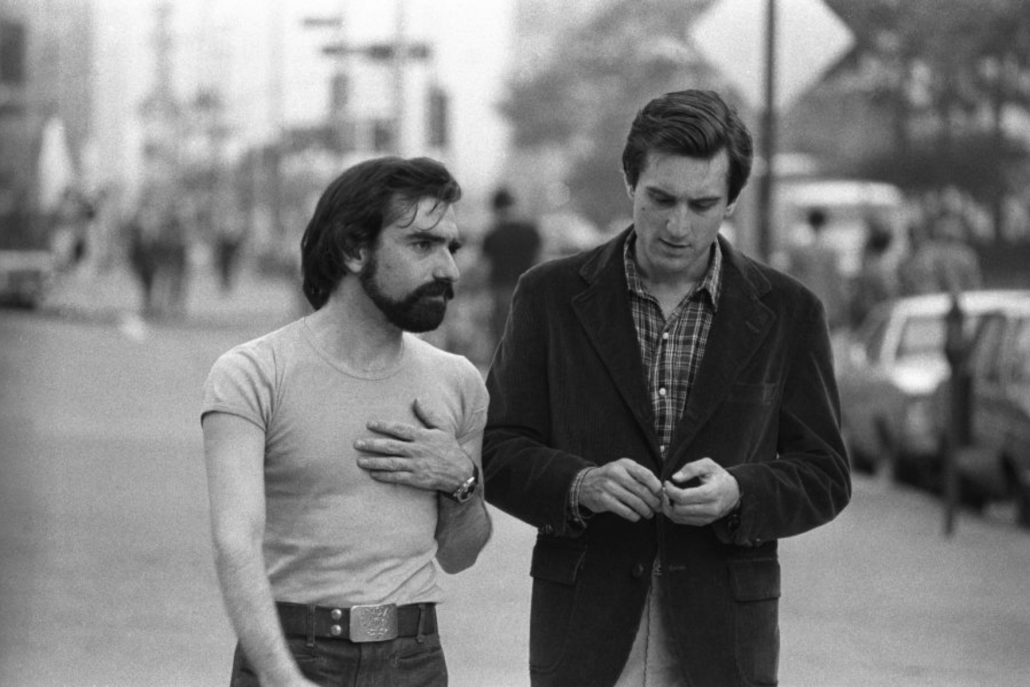
This era also gave rise to the auteur, the director whose personal style and obsessions shaped every frame of a film.
Martin Scorsese plunged audiences into stories of alienation, violence, and moral collapse. Taxi Driver wasn’t just about a cab driver spiraling out of control; it reflected urban decay, loneliness, and the psychological fallout simmering beneath American life.
Francis Ford Coppola delivered The Godfather and The Godfather Part II, films that transformed a crime family saga into a meditation on power, loyalty, corruption, and the cost of ambition.
Robert Altman pushed storytelling into messier, more chaotic territory with films like M*A*S*H, The Long Goodbye, and Nashville. His overlapping dialogue, sprawling casts, and loose structure made his films feel unpredictable and alive.
Roman Polanski’s Chinatown stripped away the myth of American innocence entirely, ending not with justice, but with defeat and resignation.
Filmmakers like Hal Ashby, Sidney Lumet, Brian De Palma, William Friedkin, George Lucas, and Steven Spielberg each brought their own perspective to the era.
What made these films feel so different wasn’t just the content, but the attitude behind them. These movies refused to reassure audiences and continuously challenged them. The heroes were flawed, cynical, and sometimes outright dangerous. Happy endings became scarce.
Antiheroes, Realism, and the Gen X Mindset
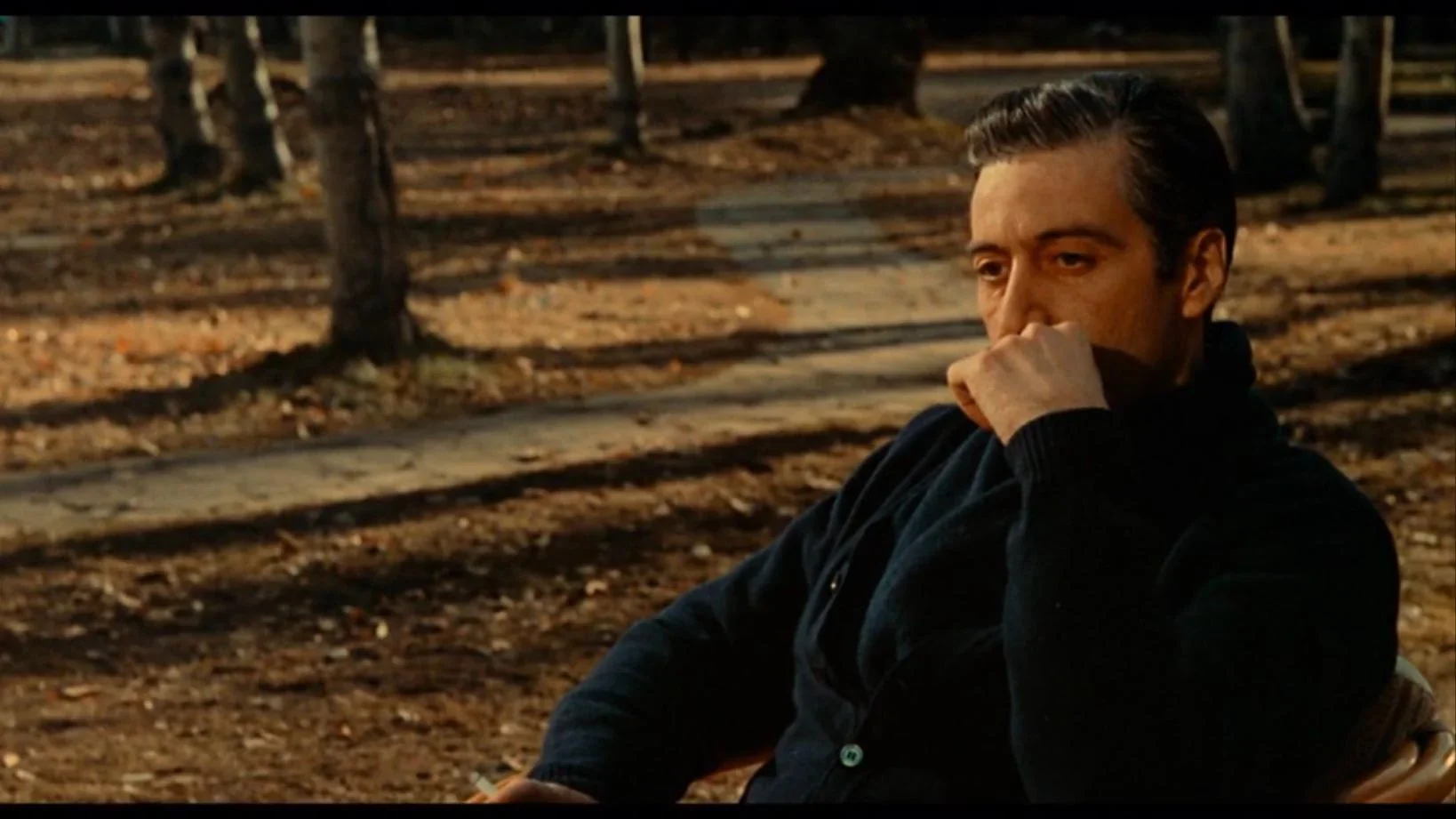
For the first time, American films were filled with protagonists who didn’t fit comfortably into traditional hero roles.
Travis Bickle is the antithesis of a hero. He’s isolated, unstable, and frightening.
Michael Corleone transforms from decorated war veteran into a cold, calculating crime boss.
Bonnie and Clyde and Butch Cassidy and the Sundance Kid turned criminals into folk heroes before cutting them down in brutal fashion.
The filmmaking itself changed too. The polished Hollywood look gave way to handheld cameras, location shooting, rougher editing, and more naturalistic performances. Violence became sudden and ugly. Dialogue felt less scripted and more uncertain, becoming more emotional and more human.
For younger audiences growing up during Vietnam and Watergate, these films became formative. They encouraged skepticism toward institutions and rejected the idea that life always delivers clear answers or clean endings.
That influence carried directly into Gen X culture. The generation’s attachment to irony, authenticity, antiheroes, and emotional ambiguity can be traced back to the films of this era as much as the music and literature that followed.
The Arrival of the Blockbuster
Just as New Hollywood reached its creative peak, the industry shifted again.
Eventually, Hollywood adapted.
Jaws transformed moviegoing into a national event. People lined up around theaters, discussed the film endlessly, and turned it into a shared cultural experience.
Then came Star Wars.
Suddenly, rebellion, mythology, and spectacle became mainstream entertainment. The antihero energy of Han Solo, the scars of a broken galaxy, and the influence of old serial adventures all collided into something entirely new.
The late 1970s and early 1980s became dominated by event films:
The budgets grew larger. The audiences grew larger. And fandom itself became a defining part of pop culture.
Toys, T-shirts, action figures, collector’s cups: movies became more than just films. They transformed into worlds people could live inside of and identities they could share with others.
Eventually, Hollywood found a way to package rebellion for mass audiences. The films and fandoms that once felt niche suddenly became part of mainstream culture.
How These Films Shaped a Generation
For audiences growing up in the late 1970s and early 1980s, these films left a lasting mark.
They encouraged skepticism toward authority, fascination with antiheroes, and a desire for authenticity over polish. They suggested that institutions could fail, heroes could break, and happy endings weren’t guaranteed.
They also encouraged audiences to question the stories they were being told.
As Gen X matured, those ideas carried into music, fashion, literature, and eventually into the stories they created themselves. The generation’s dry humor, distrust of institutions, and emotional guardedness can be traced back as much to films like Taxi Driver and Star Wars as to punk, grunge, or The Breakfast Club.
Why It Still Matters
You can still see the influence of New Hollywood across modern film and television.
Every antihero television series, every gritty reboot, and every franchise built around moral ambiguity carries traces of this era.
Modern audiences still crave:
Flawed protagonists
Realism and authenticity
Skepticism toward institutions
Stories willing to embrace uncertainty
And today’s culture continues remixing and rebooting the stories it inherited, while never fully relating to them in quite the same way again.
What to Watch: The New Hollywood & Gen X Canon
The Essentials
Easy Rider - Counterculture on two wheels and the American dream unraveling
The Godfather & The Godfather Part II - Power, loyalty, and corruption inside the American family
Taxi Driver - Isolation, violence, and urban decay
Chinatown - Corruption and the collapse of American innocence
Star Wars - The birth of the modern blockbuster
The Blockbuster Revolution
The Dark Side of the American Dream
Streaming Tips
The Godfather trilogy and Taxi Driver are available on Paramount+ and Prime Video, while Star Wars is available on Disney+.
If you want to dive deeper into New Hollywood cinema, Criterion Channel remains one of the best places to explore the era.
What to Look For
Flawed antiheroes
Institutions being questioned or exposed
Realism in dialogue and setting
Moral ambiguity
The rise of blockbuster fandom and franchise culture
Discussion
What’s your favorite New Hollywood or early blockbuster film, and how did it shape your view of rebellion, skepticism, or belonging?
Can you still feel the influence of these films today?
Next Up: Blockbusters, Franchises, and the Coming of Age of Fandom
How movies became universes, and why audiences continue returning to the stories they grew up with, remixed, rebooted, and reimagined.
Join the #NostalgiaSeries conversation as we continue tracing the evolution of rebellion, fandom, and modern mythmaking.
See you at the movies - and in the memories.
Enjoyed the blog? Join the newsletter for monthly movie picks and new releases.