The YouTube to Hollywood Transition: The New Filmmaking Paradigm
The YouTube to Hollywood Transition: The New Filmmaking Paradigm
Something is happening in the movie industry right now.
Less than a week after release, the latest Star Wars film, The Mandalorian & Grogu, lost its #1 spot to a small independent horror movie made for approximately $750,000.
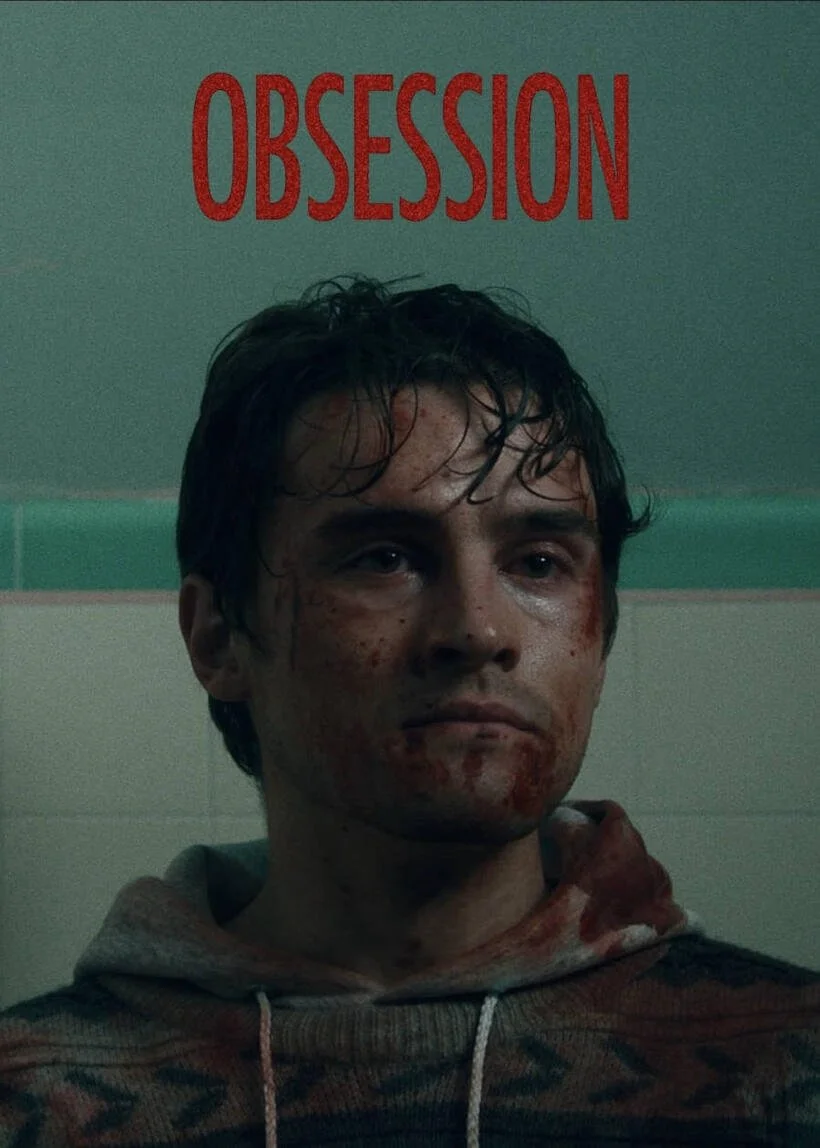
That film was Obsession.
At the time of writing, it has earned approximately $166.6 million worldwide.
Then, the following weekend, another high-concept horror movie would repeat the feat.
Backrooms, produced on a reported $10 million budget, took the #1 position domestically and worldwide and ultimately opened to approximately $140.9 million globally.
Now, those numbers are interesting on their own, but what really caught my attention is who made them.
These weren’t established Hollywood directors breaking out with passion projects.
“Obsession and Backrooms were both first-time Hollywood releases written and directed by creators who, up until now, were known primarily for their work on YouTube.”
In the case of Obsession, that creator was Curry Barker, whose work up until now has largely been associated with comedy sketches through the that’s a bad idea group and other online platforms.
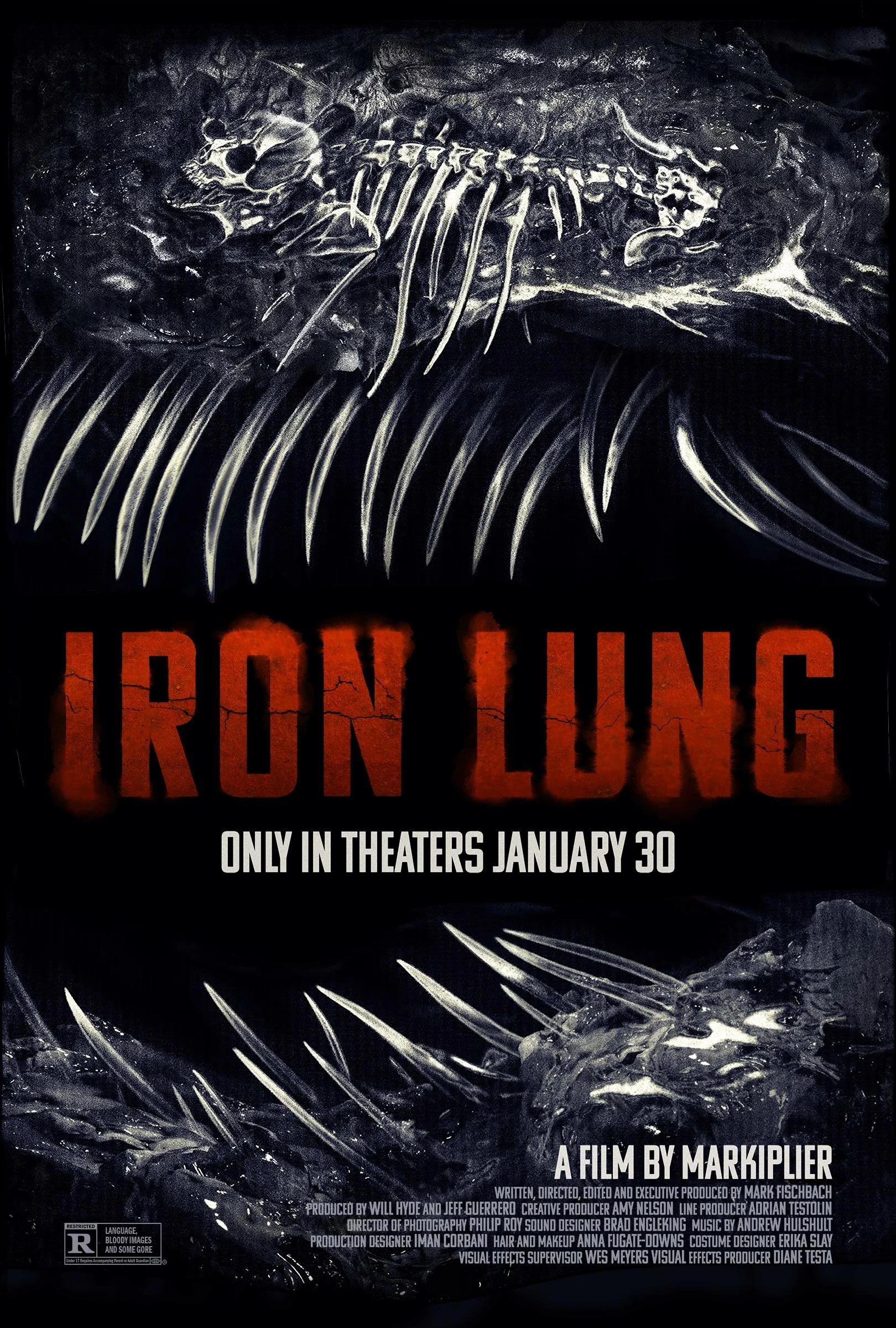
And, before either of those, there was Iron Lung.
Released in January 2026, Iron Lung was produced, directed, and self-financed by Mark Fischbach, better known to most audiences as Markiplier. Adapted from the popular indie horror game, the movie opened at #1 on opening day before slipping to second place across opening weekend, still an incredible result for a reported $3 million production that ultimately earned approximately $50 million worldwide.
What stands out even more about Iron Lung is the approach behind it.
Fischbach developed his own creator-led distribution strategy rather than following a traditional studio path. The production also gained attention for reportedly using approximately 80,000 gallons of fake blood, surpassing the previous record held by Evil Dead (2013).
On their own, these examples could easily be dismissed as exceptions.
But, taken together, I think they point to a bigger trend.
And, this isn’t entirely new. There are already examples of creators successfully making the jump.
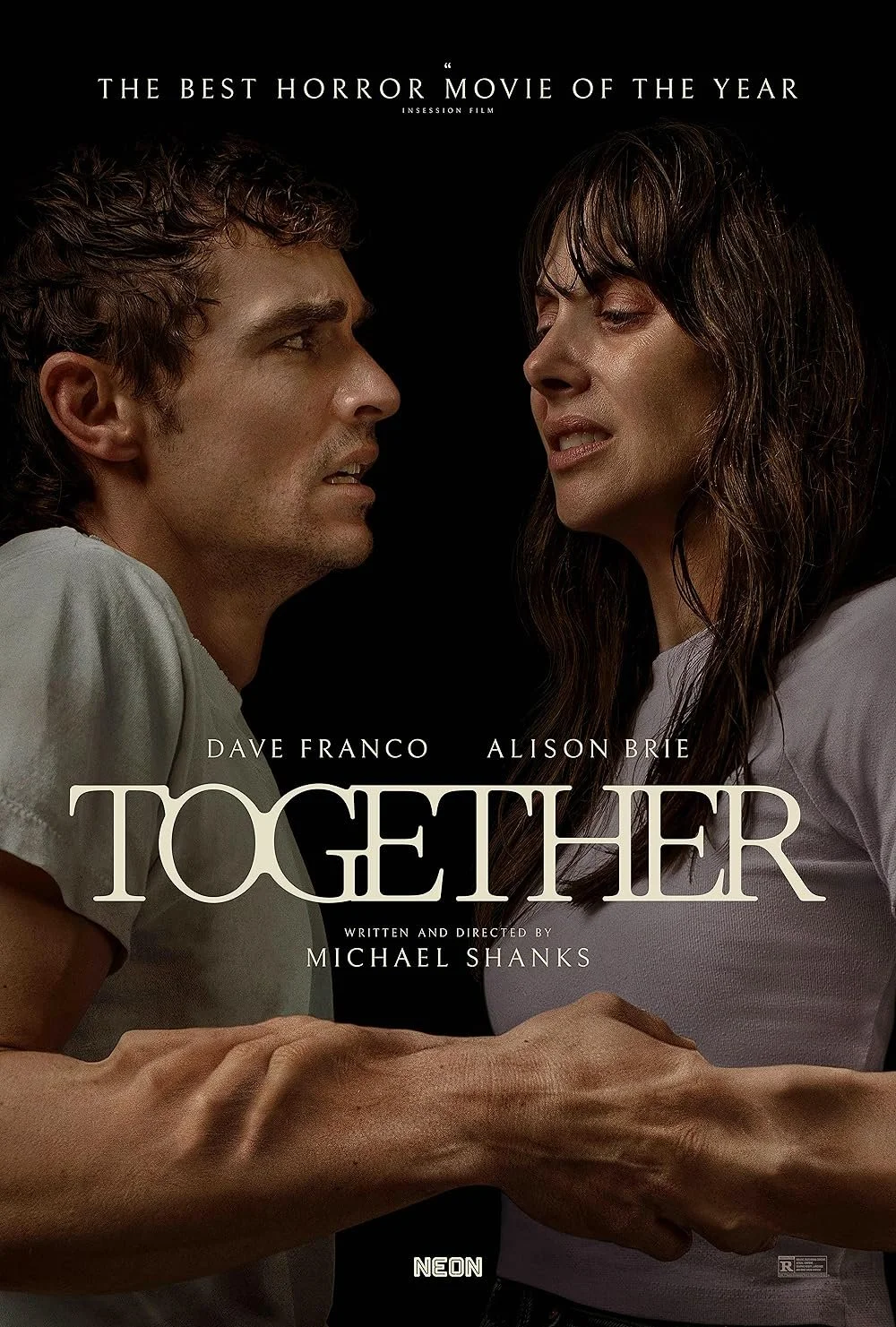
Michael Shanks built a massive following through his timtimfed YouTube channel, which he has been running since 2006, before transitioning into feature filmmaking with Together in 2025.
Similarly, Danny and Michael Philippou first built their audience through their Australian YouTube channel RackaRacka before directing Talk to Me in 2023.
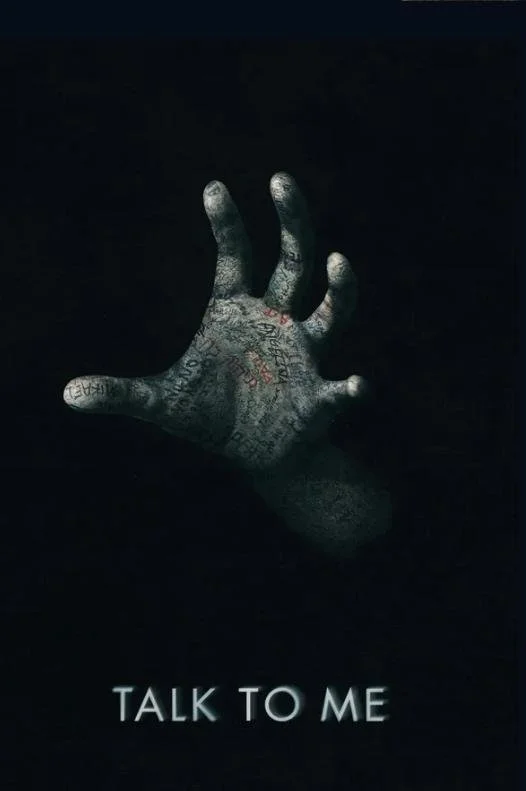
That film went on to earn approximately $92.2 million worldwide on a reported $4.5 million budget and still stands as one of my favorite possession films in recent years, largely because of how inventive it feels and how clearly it establishes rules and lore around its universe. They even spoke to creating a “lore bible” to guide them through the filmmaking process.
The Philippous followed that with Bring Her Back in 2025, which took a different approach but still attracted significant attention, including a powerhouse performance from Oscar nominee Sally Hawkins.
What feels different now isn’t that creators are making movies.
It’s that the path from creator to filmmaker feels more visible and more repeatable than it used to.
Of course, this transition isn’t automatic.
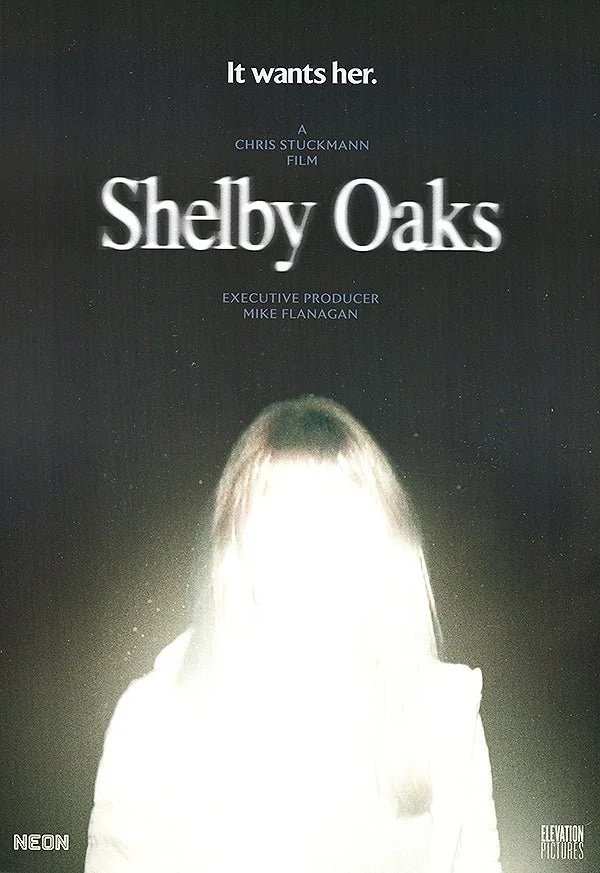
Another recent example is Shelby Oaks, directed by YouTube creator Chris Stuckmann and developed in part through crowdfunding and community support.
That release took a different path and received a far more mixed critical response, which is an important reminder that online audiences and filmmaking success aren’t necessarily the same skill set.
That doesn’t mean there’s nothing to learn from it though.
If anything, it reinforces that building an audience and developing ideas are only part of the process. Feature filmmaking is still deeply collaborative, and sometimes ideas become stronger and more fully formed through the support and perspective of a larger production team.
But, the fact that projects like this are being made at all still feels notable.
The barrier to entry looks very different than it did even ten years ago.
For years now, creators on YouTube and social platforms have been working tirelessly to build audiences, develop production skills, experiment publicly, and cultivate communities, all while figuring out what connects with viewers in real time.
For some of them, the move into filmmaking feels like the logical progression.
Jason Blum, CEO of Blumhouse Productions, recently spoke about this shift while discussing the success of Obsession and Backrooms.
One of the things that stood out most to me wasn’t the box office itself. It was how he described the people behind it.
“Their hope, desire and dream is to make cool movies,” Blum said.
“And Backrooms and Obsession are edgy and weird and f*****g nuts.”
He also pointed toward something larger than the movies themselves:
“So many young people who grew up in a time when you couldn’t go to the movies, and they haven’t had something for them to go get out and get off their iPad and go see the movies. Suddenly they have two movies.”
But the part of the interview that really caught my attention was what happened after release.
Discussing Obsession’s unusual week-over-week performance, Blum said:
“Obsession, this weekend it went up 20% from last weekend. Last weekend it went 30% up from the opening weekend. No movie has done that, has gone up two weekends in a row, since E.T.”
He followed that with:
“There’s f*****g hope in the movie business!”
That combination of excitement and disbelief feels important to note.
At a time when conversations around the industry keep focusing on shrinking theatrical windows, evolving viewing habits, and whether audiences still show up for original theatrical releases, these movies feel meaningful.
These aren’t established blockbuster franchises.
They aren’t sequels.
They aren’t cinematic universes.
They’re creator-led projects bringing audiences into theaters.
Blum himself has quietly helped create conditions for this shift for years.
Since 2000, Blumhouse has built a reputation around lower-budget genre filmmaking and taking chances on distinct voices through films and franchises including Paranormal Activity, Insidious, The Purge, Sinister, and Get Out.
Speaking of Get Out, further comparisons have been made with Jordan Peele, who transitioned from sketch comedy into becoming one of modern horror’s defining filmmakers.
Barker followed a different route but arrived somewhere surprisingly similar.
Before Obsession, much of his work existed through comedy sketches with the that’s a bad idea group across YouTube and other social platforms.
With the upcoming feature Anything But Ghosts along with getting the rights to the Texas Chainsaw Massacre franchise, he doesn’t seem to be slowing down.
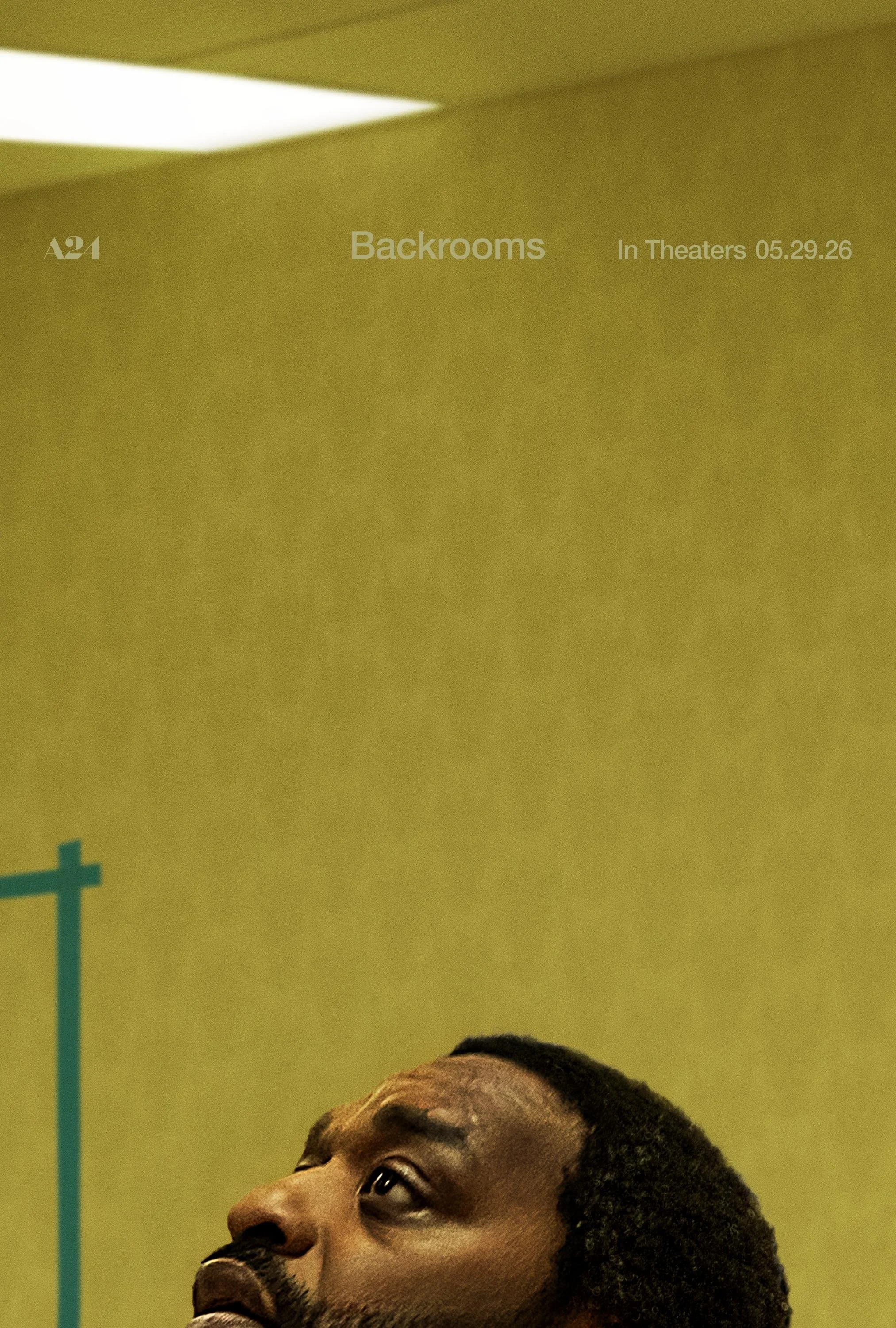
Backrooms may be the most interesting example of all.
Before becoming an A24 release, Kane Parsons spent four years building the world through 22 videos of varying lengths on his YouTube channel, Kane Pixels, each expanding the lore while largely telling standalone stories.
Having watched all 22 videos before seeing the movie, I think the adaptation succeeds because it understands what audiences connected with in the first place.
It expands and builds upon the original ideas while preserving the identity and spirit of the videos.
What makes the project even more unusual is that the original idea traces back to creepypasta forums and internet discussion culture.
This one also stands apart because despite beginning as an internet-native project, the movie still attracted major talent including Chiwetel Ejiofor (12 Years a Slave, Serenity, Life of Chuck), Renate Reinsve (Sentimental Value, A Different Man), Mark Duplass (Creep), and Lukita Maxwell (Shrinking).
Parsons recently announced that he was bringing in a screenwriting partner for the sequel, which feels like a natural evolution as these projects continue to scale.
Now, I don’t want to get dramatic and say the studio system is disappearing.
But, I do think it may represent an evolving journey for the industry and filmmakers.
For decades, filmmakers generally needed access first and audiences second. Now, some creators are doing the opposite, building audiences first and bringing them into theaters with them.
That feels meaningful.
And, if these recent releases are any indication, the next generation of filmmakers may already be here.
They’re just arriving from places Hollywood wasn’t necessarily expecting.
Interested in more articles about these movies? Check out May 2026 Is Shaping Up to Be One of the Best Months in Horror in Years.
Enjoyed the blog? Join the newsletter for monthly movie picks and new releases.