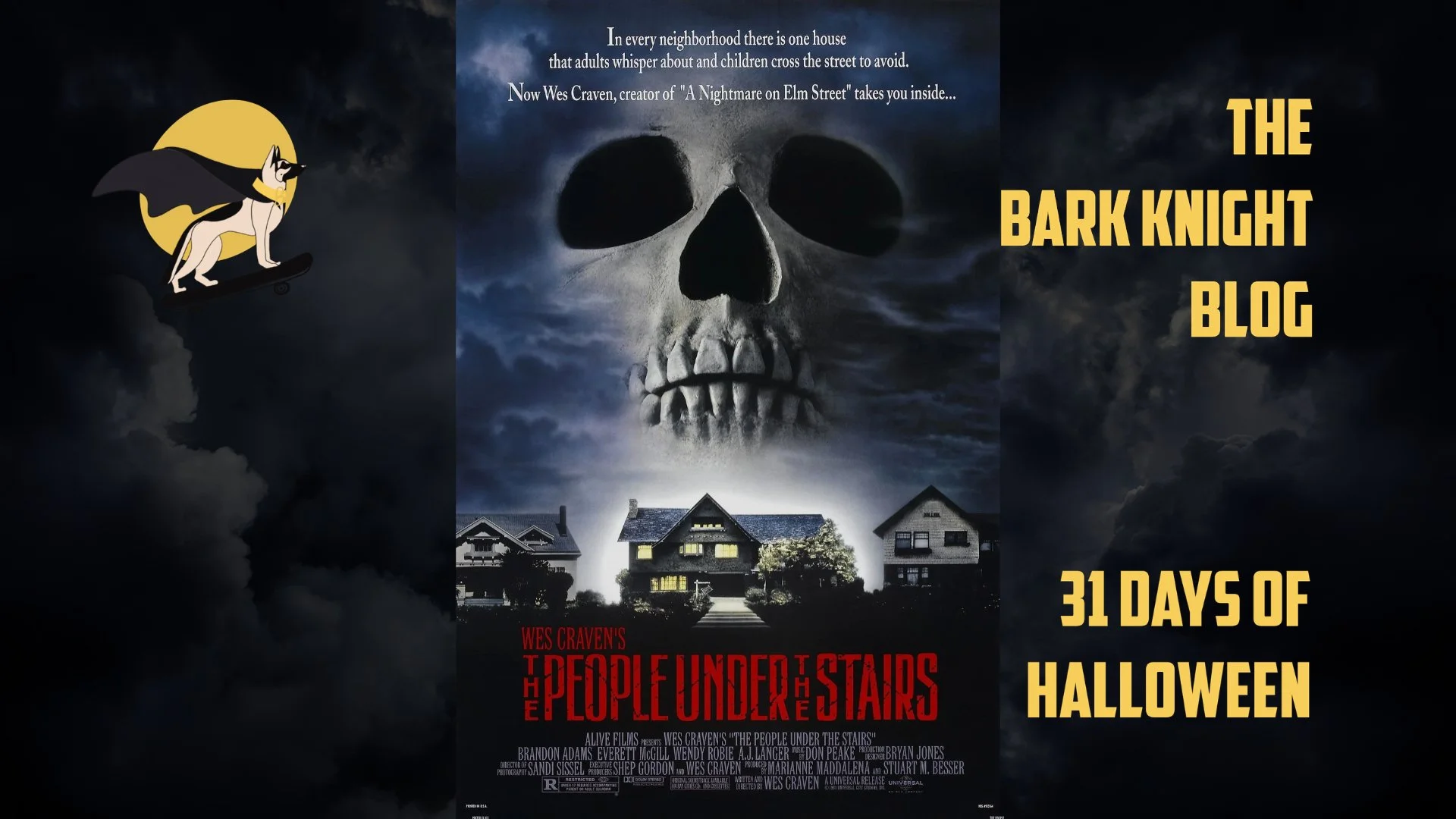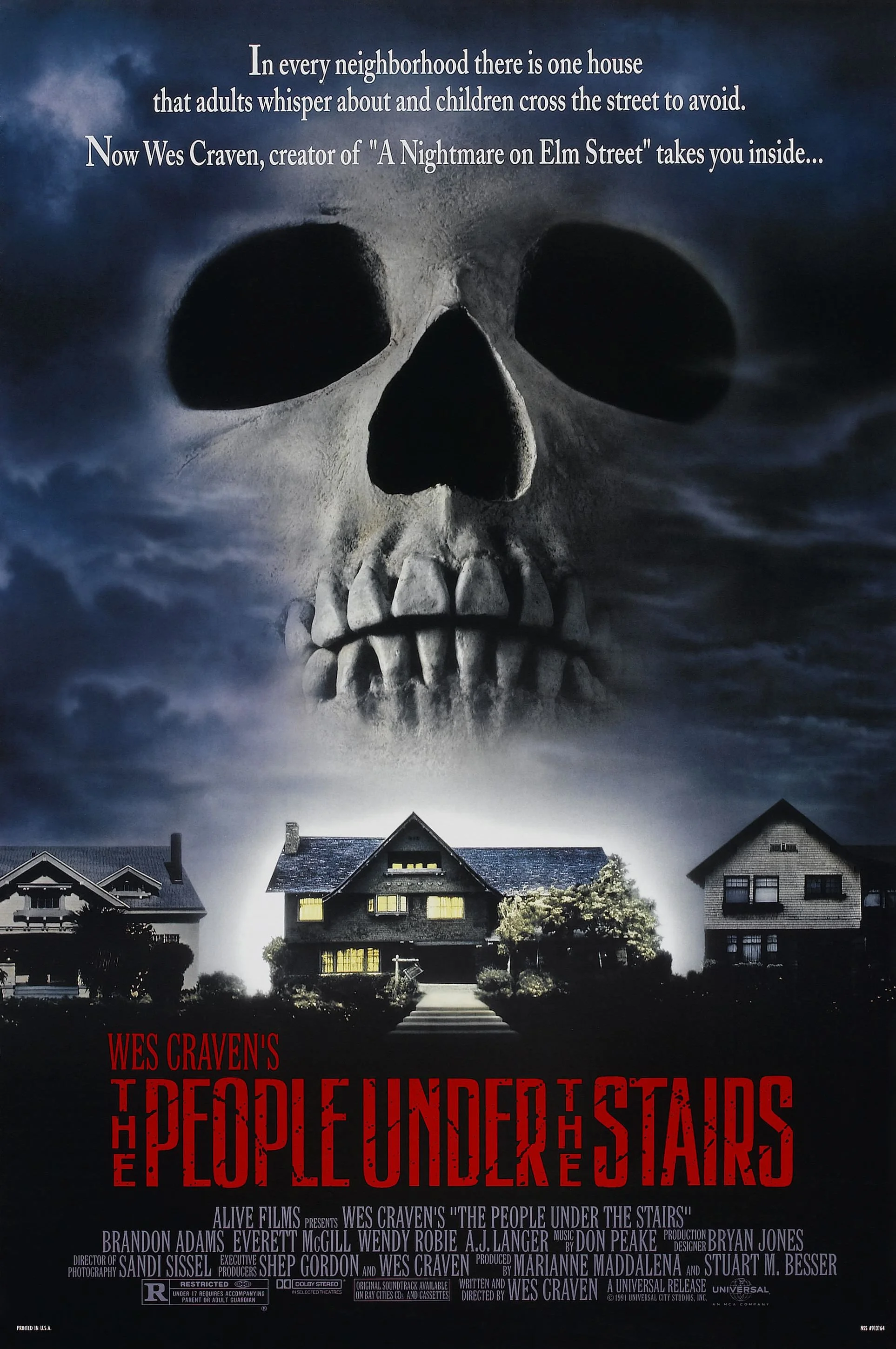
For my 1990’s pick of The Bark Knight’s 31 Days of Halloween, I went with The People Under the Stairs (1991), another film from Wes Craven and one that has stuck with me since childhood.
Revisiting it now, I found myself appreciating it for very different reasons. Growing up, it was the disturbing imagery and bizarre characters that left the biggest impression. Watching it as an adult, the film's commentary on wealth, poverty, and exploitation is what really stands out.
Considering how much those issues remain part of our everyday lives, it's remarkable how relevant this movie still feels more than thirty years later.
The Nightmare Began at Home
The story follows a young boy named Fool, whose family is facing eviction from their apartment. His mother is sick, and with the family struggling financially, Fool is desperate to find a way to help.
At one point, Fool is told, "You're the man of the house now," placing an enormous responsibility on someone who's still just a kid.
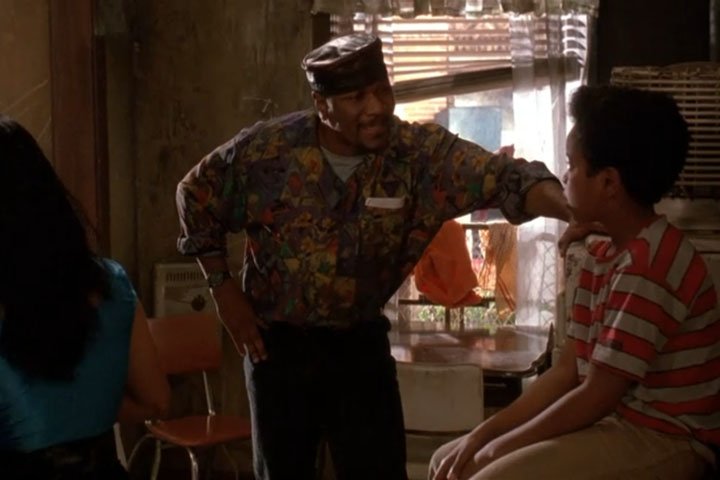
That line actually struck a personal chord with me. When my parents divorced, my father told me something very similar, and I remember how much it stood out at the time. Suddenly, there was this expectation that I was supposed to take on some kind of responsibility that I didn't really understand. I was still a kid, trying to navigate a difficult situation, and being told I was now the man of the house didn't exactly come with instructions.
Looking back, I don't know that it changed much about how I handled anything. I still made plenty of mistakes through that period, and I certainly didn't have some newfound understanding of what I was supposed to do. If anything, it just added another layer of pressure to an already confusing time.
It's also interesting how often that sentiment seemed to appear in movies and television when I was growing up. Broken families, divorce, absent fathers, and young boys being expected to step into adult roles were familiar themes. I understand the complexities of those situations much better now, but as a kid, so much of it felt completely foreign to me.
It's a relatively small moment in The People Under the Stairs, but one that carries a lot more weight for me today than it probably did when I first saw the movie.
The Early 1990s Aesthetic
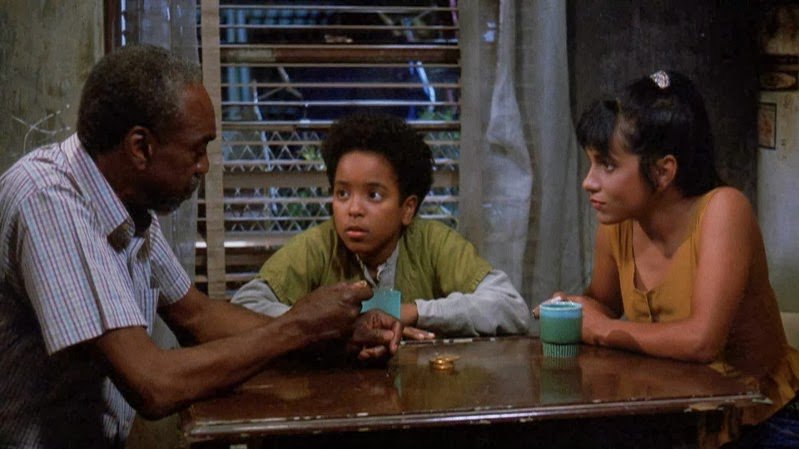
One I immediately noticed was just how much The People Under the Stairs looks and feels like a product of 1991.
There's something about the lighting, the interiors, and the overall presentation that reminds me of early '90s television. Full House might be a strange comparison for a Wes Craven horror movie, but that's genuinely where my mind went. Tales from the Crypt may be the better example, but that family aspect flipped on it head through a nightmarish lens really fits.
That particular aesthetic may not appeal to everyone, especially if you're coming into the film without much familiarity with the era. The performances and situations can also get pretty over-the-top, occasionally pushing things toward dark comedy, but I think there's a certain charm to that style, especially when it's paired with a story that's so deliberately exaggerated.
Beneath that exaggerated presentation is some surprisingly deliberate social commentary.
Wealth, Poverty, and the Monsters Upstairs
The most fascinating part of The People Under the Stairs, at least for me watching it today, is how directly it addresses economic inequality and the abuse of power that comes with concentrated wealth.
The villains aren't simply wealthy homeowners who happen to be terrible people. They've built their fortune through real estate, exploiting the very community in which Fool and his family live. When Fool's family falls just three days behind on rent, they're hit with a late fee amounting to three times their monthly payment. Unable to afford it, they're threatened with eviction. Meanwhile, their landlords are working to push residents out of the neighborhood to make way for new condominium developments, continuing a pattern of displacement that's already been pricing families out of their homes for some time.
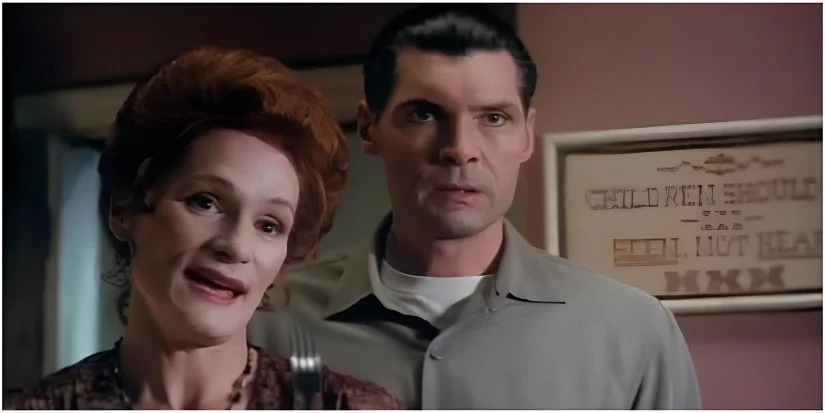
The obvious problem with that arrangement is how it can create problems that extend well beyond the people being displaced today. When property owners sell to larger developers, they're potentially handing control of entire neighborhoods to corporations with even greater financial resources. The people living there, who already have very little influence over their housing situation, may find themselves with even less power in the future.
And you don't have to look very far to find modern examples of how little control people can have over their own housing. I recently came across a Realtor.com article about a North Carolina neighborhood where a developer-controlled homeowners association raised monthly fees to $2,500, up from just $158 a few years earlier. Residents are now worried about potentially losing homes they already own because they can't afford the additional costs. The circumstances are different from those in Craven's film, but the underlying imbalance feels familiar: people who have invested their lives in a home can find their future determined by decisions they have very little power to influence.
It's a pattern that feels familiar well beyond real estate. As someone who grew up renting movies from video stores, I can't help thinking about what's happened to physical media. We went from having independent rental shops where you could walk in, browse the shelves, and take home a movie to an entertainment industry where access is increasingly controlled through digital storefronts, streaming platforms, and subscription services.
Obviously, the decline of video rental stores involved more than corporate consolidation. Technology changed, consumer habits changed, and streaming offered conveniences that physical rentals couldn't. The end result is the same: independent businesses disappeared, leaving consumers to rely on a relatively small number of companies to determine what movies are available, how we access them, and what we pay.
The same shift has happened with video games, software, and plenty of other products. Things we once bought outright are more often tied to accounts, subscriptions, online services, and digital platforms that can change or disappear.
“It's a different industry and a different set of circumstances, but the underlying question feels the same: what happens when more and more control ends up in fewer hands?”
Craven brings that imbalance into sharp focus through the landlords' accumulated wealth. Inside their house, they've amassed so much money and so many valuables that they've completely lost track of what they own. At one point, we're told that just a handful of their gold coins could cover Fool's family's rent for twenty years.
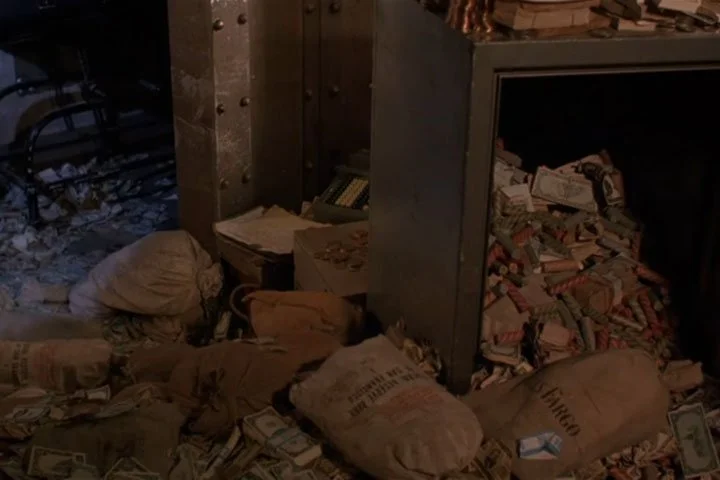
That detail is important. We live in a time when some individuals possess extraordinary fortunes, while major corporations continue looking for new ways to generate recurring revenue from things people already use. Meanwhile, executive compensation packages can reach figures that are almost impossible for the average person to comprehend. Can you imagine making $100 million in a single year?
For the landlords, the money is almost meaningless. For Fool and his family, a tiny fraction of it could completely change their lives, and that's what makes the film's commentary so effective. The landlords have accumulated more than they could ever reasonably need, but they're still willing to destroy other people's lives to acquire more.
The movie was released in 1991, but its questions about wealth, ownership, and who gets to control the future of a community feel remarkably relevant today.
The True Monsters of the Story
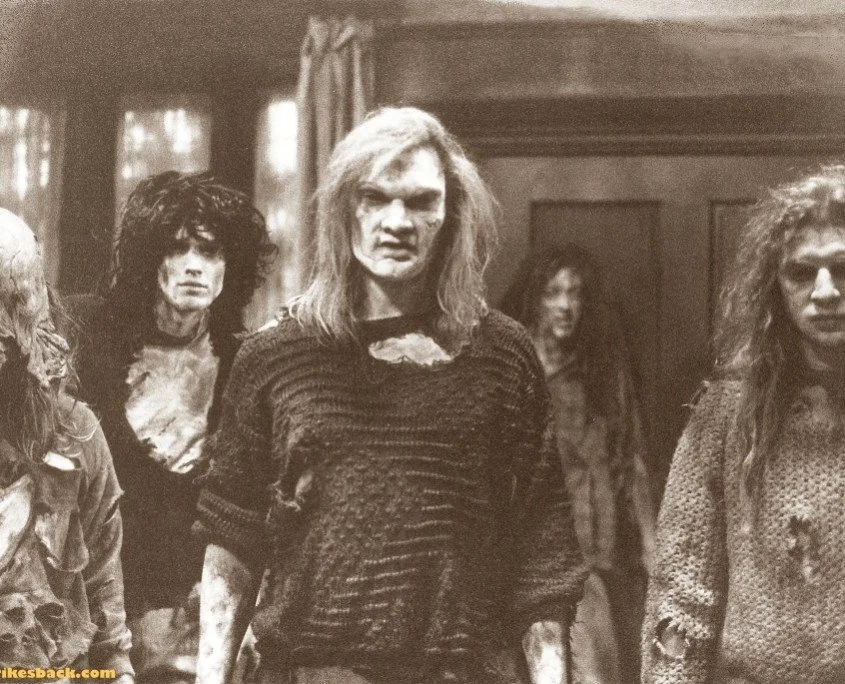
One of the most interesting things about The People Under the Stairs is how it challenges our expectations about who the monsters actually are.
When we're first introduced to the people imprisoned beneath the house, they're presented as terrifying figures lurking in the darkness. They've been isolated from the outside world, subjected to years of abuse, and reduced to something that barely resembles the lives they should have been allowed to lead. In a more conventional horror movie, these might be the creatures we're supposed to fear.
Here though, as Fool discovers what's really happening inside the house, it becomes clear that these people aren't the monsters at all. They're victims of The Robesons, who have kidnapped, abused, and discarded children who failed to meet their twisted expectations. Alice, who lives upstairs under their control, is another victim of that same cruelty.
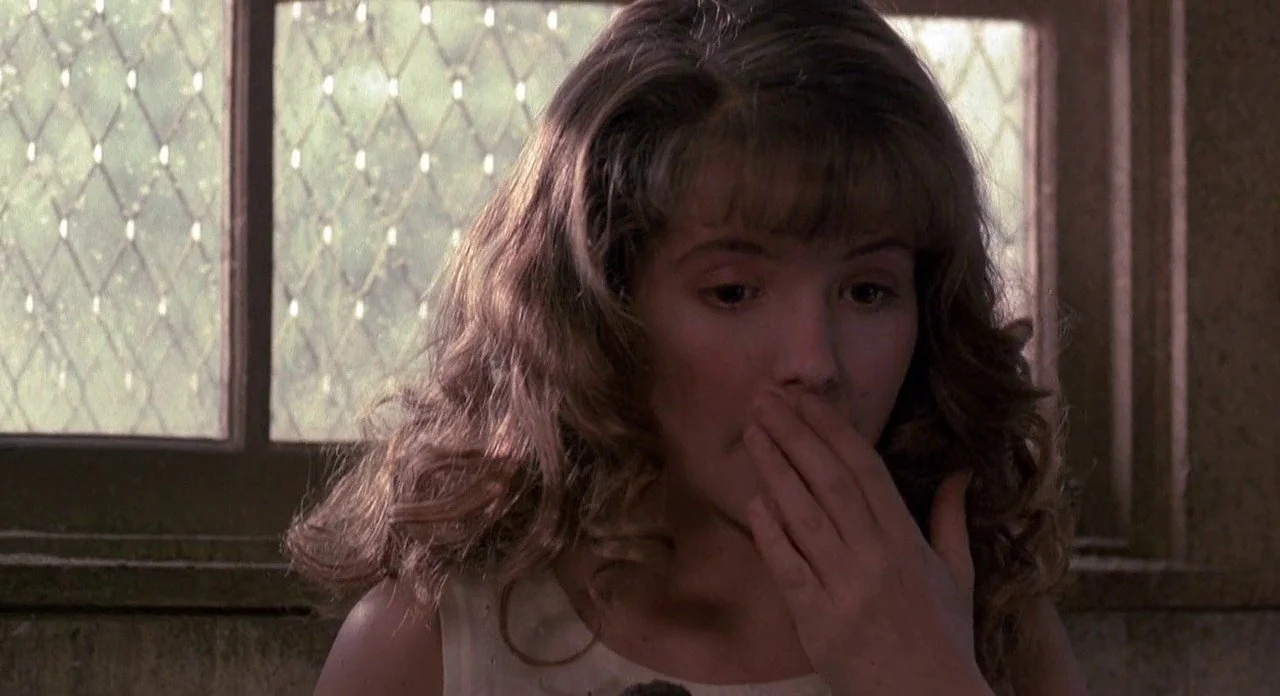
I think there's a meaningful connection between those children and the families living in the surrounding neighborhood. They're all trapped in circumstances created by people who hold power over them, with very little ability to escape on their own. The people beneath the stairs have been physically imprisoned, while Fool's family faces a different kind of confinement through poverty, housing insecurity, and the threat of losing their home.
What makes the Robesons so disturbing is their complete disregard for the humanity of the people around them. They treat others as possessions, inconveniences, or obstacles to getting what they want, and the suffering they've inflicted throughout the house is a direct consequence of that cruelty.
Wes Craven Was No Stranger to Nightmares
Wes Craven was certainly no stranger to nightmares. After all, this is the filmmaker who gave us Freddy Krueger and A Nightmare on Elm Street, before later revitalizing the slasher genre with Scream.
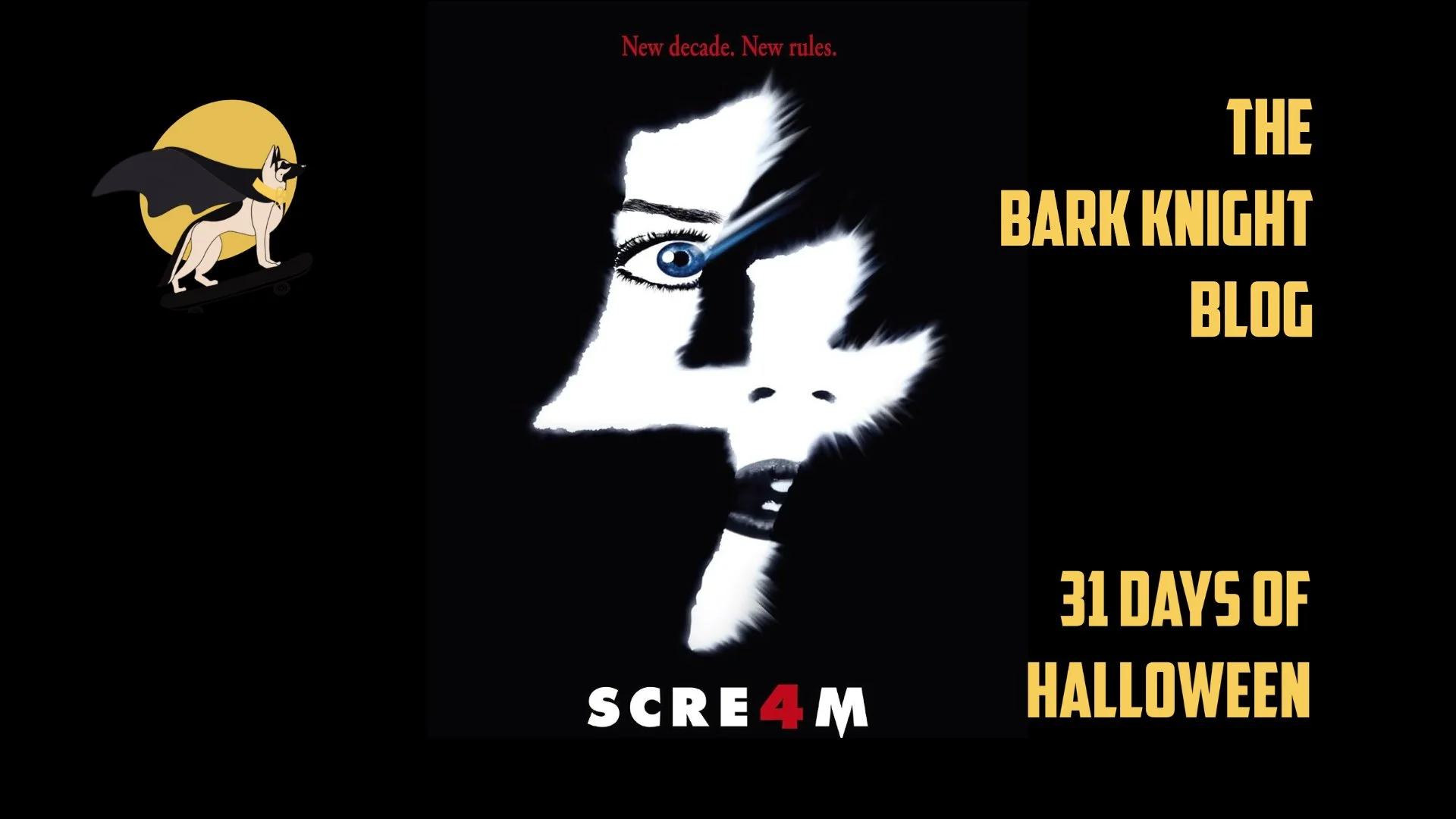
I've also covered his work in my review of Scream 4, which explores another side of his filmmaking and his ability to play with familiar horror conventions.
Social commentary certainly wasn't new territory for Craven, either. His earlier films, particularly The Last House on the Left and The Hills Have Eyes, had already explored violence, morality, and the darker sides of society. What makes The People Under the Stairs stand out is how directly it brings those anxieties into an ordinary setting, turning a wealthy family's home into something far more frightening than the typical haunted house.
Despite everything we've discussed about the film's themes, it's worth remembering just how strange and entertaining the movie actually is. The Robesons are completely unhinged, the house is filled with bizarre surprises, and the whole thing occasionally feels like a darkly comedic adventure that has gone horribly wrong. There's a ridiculousness to some of the action that probably shouldn't work alongside such disturbing subject matter, but somehow it does.
I think that's one of Craven's greatest strengths as a filmmaker. He could take familiar horror conventions and use them to explore uncomfortable ideas without forgetting to make an entertaining movie. The social commentary is there for anyone interested in digging into it, but you can also appreciate The People Under the Stairs as a wildly imaginative piece of early '90s horror.
Perhaps that is why its message has endured. Craven uses the genre's most exaggerated possibilities to explore fears that were already very real, allowing the film to be both an outrageous horror experience and a pointed reflection of the society that produced it.
Final Thoughts
The People Under the Stairs is one of those movies that has stayed with me for years, even as the reasons I appreciate it have changed.
When I was younger, it was the disturbing imagery, the bizarre characters, and the terrifying idea of people being imprisoned beneath a house that made the biggest impression. I remembered the horrors inside the Robesons' home far more than the circumstances that brought Fool there in the first place.
Watching it today, I find myself thinking much more about everything happening outside that house. Fool is a kid dealing with circumstances he has very little control over, yet he's expected to shoulder responsibilities that would be difficult for an adult. That's something I can relate to in ways I probably couldn't have fully appreciated when I first saw the film.
Then there's the commentary about wealth, ownership, and exploitation. What once seemed like an exaggerated depiction of cartoonishly evil landlords now feels uncomfortably familiar in certain respects. The specifics may be outrageous, but the underlying concerns about people losing control over their homes, their communities, and their futures are anything but.
I also appreciate that the movie doesn't lose sight of the people caught in the middle of all this. Fool, Alice, and the children beneath the stairs aren't responsible for the circumstances they've been forced into, but they're the ones who suffer the consequences. Their struggle gives the film an emotional foundation beneath all the madness.
It's not a perfect movie. The early '90s aesthetic, over-the-top performances, and occasional tonal shifts might not work for everyone. But, I think those qualities are also part of what makes it so memorable. Few horror movies manage to be this bizarre, this entertaining, and this interested in the world outside their own fictional nightmares.
I really do think everyone should see The People Under the Stairs at least once. It's a movie that can be enjoyed for its horror, but there's a lot more to appreciate if you're willing to look beneath the surface.
And for me, it's a reminder that sometimes the movies we grew up with have a lot more to say to us as adults.
Next up, we're exploring Folk Horror for Day 23 of the 31 Days of Halloween!
🎃
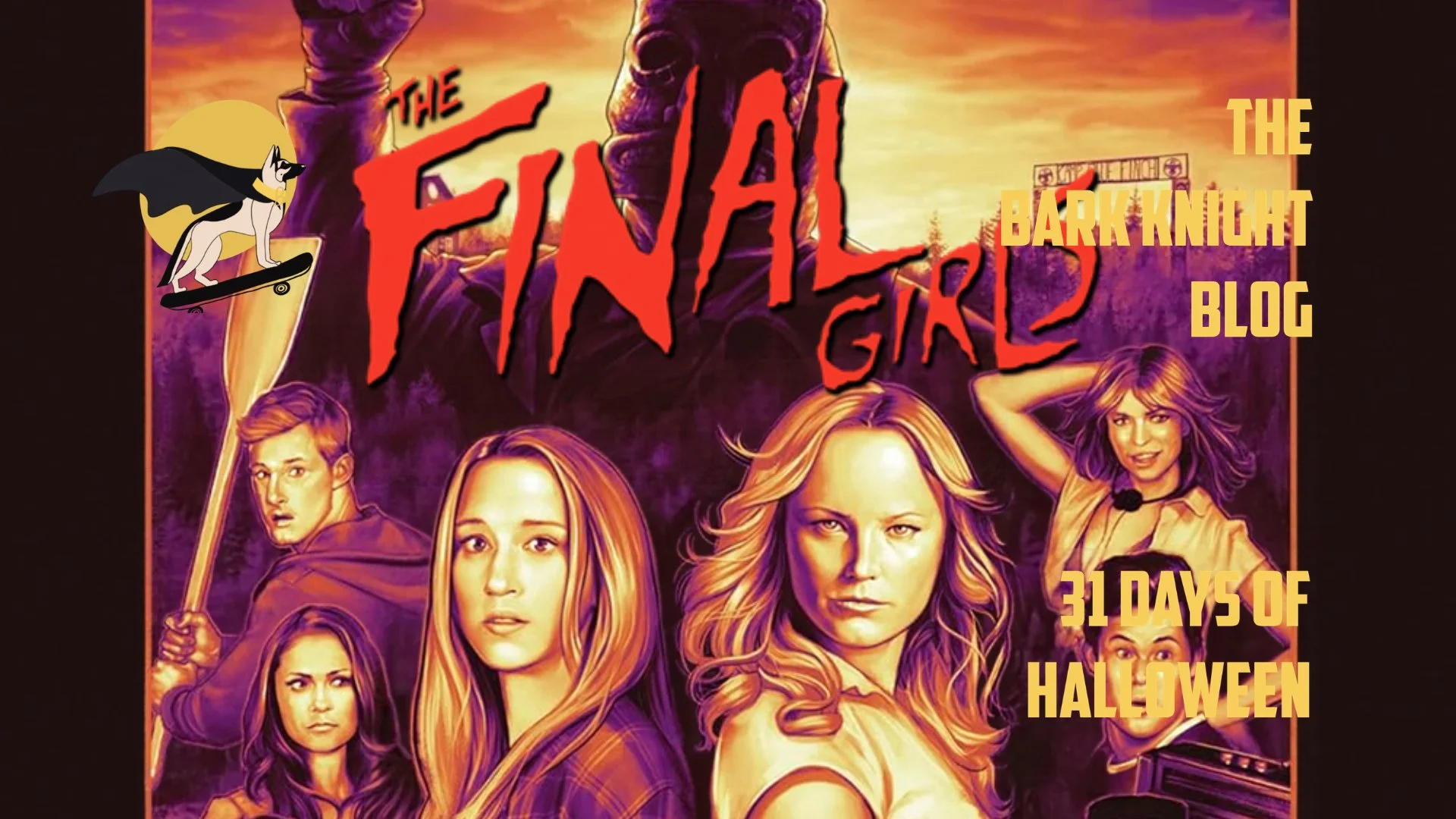
Previous Day: Day 21 - The Final Girls (2015) Review.
Click here to view all 31 Days of Halloween articles.
Enjoyed the blog? Join the newsletter for monthly movie picks and new releases.