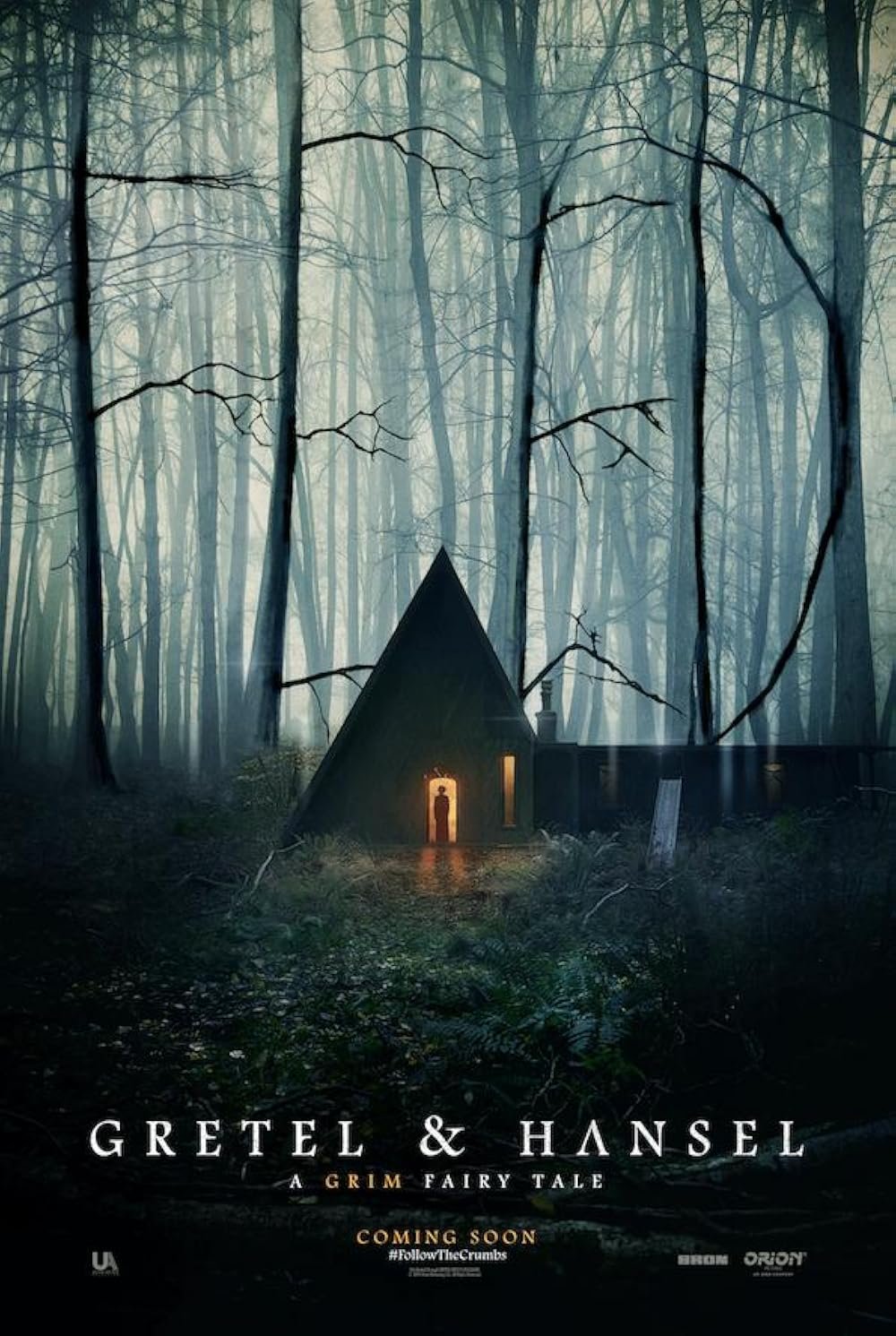
For day 23 of The Bark Knight’s 31 Days of Halloween, I ventured into folk horror with Osgood Perkins’ Gretel & Hansel (2020).
I have just one question: Why didn’t anyone tell me how good this movie is?
Seriously, I was completely caught off guard by how much I enjoyed it. I knew the film existed, but I hadn’t seen many people talk about it, and I certainly never felt particularly compelled to watch another adaptation of Hansel and Gretel. It’s a story we all know, a story we’ve seen adapted many times and in many ways, and my assumption was that I knew exactly what I’d be getting with it.
It turns out, I was missing out on one of the most atmospheric and visually captivating horror movies I’ve seen in a while.
An Underrated Entry in Osgood Perkins’ Growing Filmography
Gretel & Hansel was Osgood Perkins’ third feature-length horror film, arriving just a few short years before his breakout success with Longlegs. I absolutely understand that his style isn’t for everyone, but I’m continuously surprised by how modestly his films are rated and by just how much I enjoy their style.
At the time of my viewing, The Blackcoat’s Daughter had a 5.9 on IMDb, this had a 5.5 (now, a year later up to a 5.6!), The Monkey had a 5.9, and Longlegs had a 6.6, which has incidentally gone down to a 6.5 in the year since.
I understand that ratings are subjective, and Perkins tends to make movies that prioritize atmosphere, unsettling imagery, and an immersive sense of dread over conventional scares. Those qualities aren’t necessarily going to appeal to every horror fan, but I fall pretty firmly into the camp that loves what he’s been doing, although I will admit that Keeper (2025) (5.5 on IMDb), which I watched long after my original 31 Days of Halloween viewing, didn’t quite work for me.
After watching Gretel & Hansel though, I think it deserves considerably more appreciation than it has gotten, and I’m surprised it isn’t mentioned more often alongside his more well-known films.
A Familiar Fairy Tale Through a Different Lens
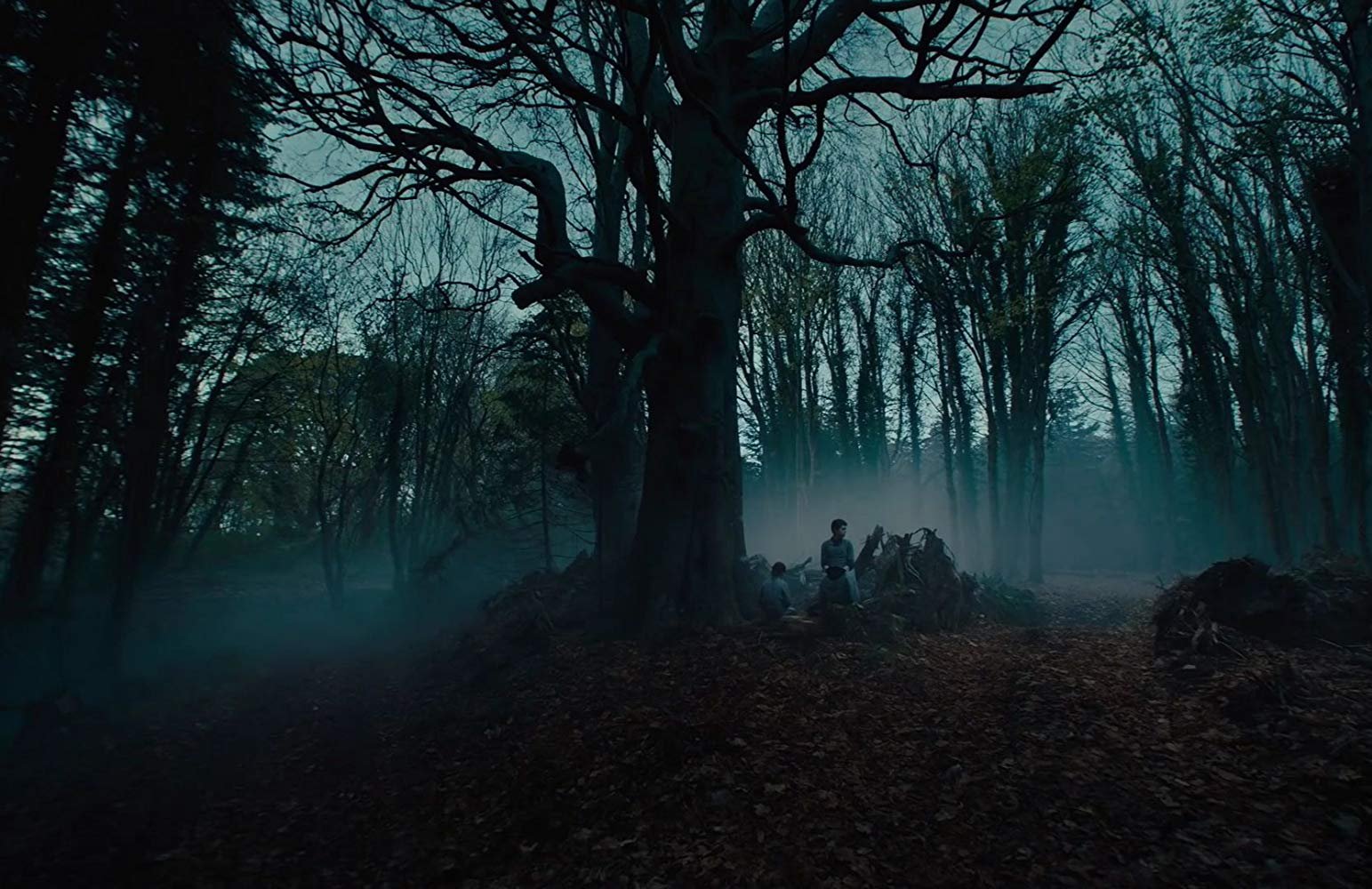
We all know the basic story here: two children wander into the woods, discover a mysterious house, and encounter a witch with sinister intentions.
Perkins keeps that foundation intact, but almost everything else about how he presents it feels different. Rather than treating the story as a straightforward fairy tale adaptation, he creates something that feels like a haunting, ethereal fever dream. The film exists somewhere between horror and folklore, with an atmosphere that felt, to me, like The Witch meets The Green Knight.
There’s a sense that the world operates according to its own rules. The woods feel like an ancient living creature, the characters seem surrounded by forces beyond our understanding, and even the quietest moments carry an underlying sense of dread. It embraces the dreamlike qualities of fairy tales while making them feel unsettling, just like dreams can sometimes. What’s real? Is anything real? Is that just a dark corner, or a nightmare lying in wait?
The film fully commits to the atmosphere it creates. Everything from the setting to the lighting to the performances feels designed to immerse the viewer.
A Visual Feast of Witchcraft and Nightmares
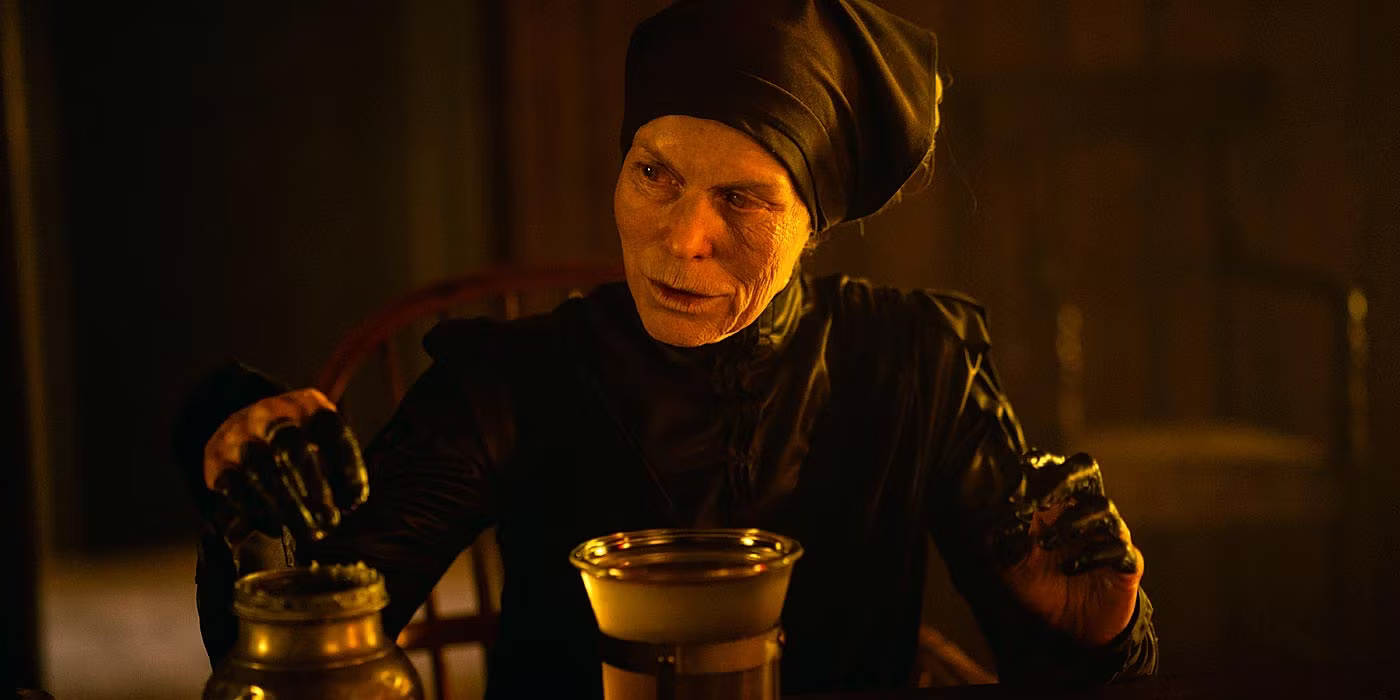
One of my favorite visual details in Gretel & Hansel is the way witchcraft physically manifests itself through the blackening of the witch’s fingers. It’s such a simple but effective choice, suggesting that the use of magic leaves a lasting mark on the one practicing it.
It’s also something I noticed in later productions like Marvel’s WandaVision and Doctor Strange in the Multiverse of Madness, as well as the South African witch-themed horror film Breathing In. While the imagery certainly isn’t unique to Perkins’ film any longer, I think it’s worth noting that Gretel & Hansel preceded all of those productions.
Beyond that detail, the film is filled with atmospheric dreamscapes, ominous visions, and vivid imagery that feels like something pulled from a disturbing storybook. Perkins uses bright and muted color palettes alongside sharp contrasts, creating scenes that can feel beautiful, threatening, or both at once.
Some of the imagery even reminded me of Guillermo del Toro in the way Perkins blends the fantastical with the grotesque. There’s an almost hypnotic quality to his direction, with compositions that invite you to study every corner of the frame, never quite knowing what might be hiding there.
It’s a visually remarkable film, and I think the imagery is a huge part of what makes its version of the fairy tale so memorable. It's a very different approach to witchcraft than something like Mandrake (2022), another folk horror film I covered earlier in this series, but both capture that unsettling sense of something ancient lurking beneath the surface.
Reinforcing Themes Through Music
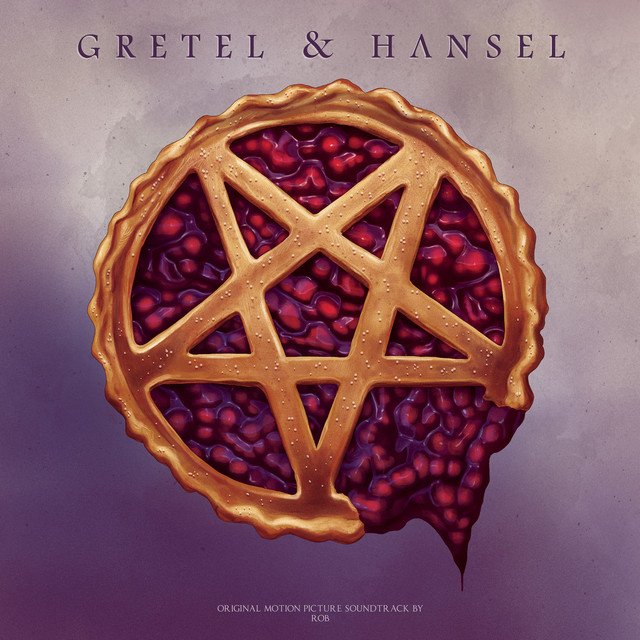
I can’t talk about this movie without spending some time on its music. This score quickly became one of my favorites and worked its way into my frequent rotation of haunting scores.
The soundtrack is filled with whirring electronics, otherworldly synthesizers, and sounds that seem to drift between something ancient and something futuristic. The closest comparison I can make is a mixture of John Carpenter’s score for Christine and Disasterpeace’s work on It Follows.
Those might seem like unusual comparisons for a centuries-old fairy tale, but that’s part of what makes the music so effective. The electronic soundscape feels almost out of place in this world of forests, witches, and folklore, yet somehow makes everything feel even more otherworldly.
There’s a constant sense of unease running through the music, even when nothing particularly frightening is happening on screen. It complements the cinematography beautifully, giving the film an audiovisual identity that feels completely its own.
Even if the story itself doesn’t grab you, for a specific type of viewer, the combination of imagery and music alone makes Gretel & Hansel worth checking out.
The Focus on Gretel
If you’re wondering why the filmmakers reversed the names from the traditional Hansel and Gretel, there’s a reason for that beyond simply setting the film apart for SEO purposes. The change makes complete sense upon viewing when you see how much this adaptation focuses on Gretel, her experiences, and her growing understanding of the strange world she’s found herself in.
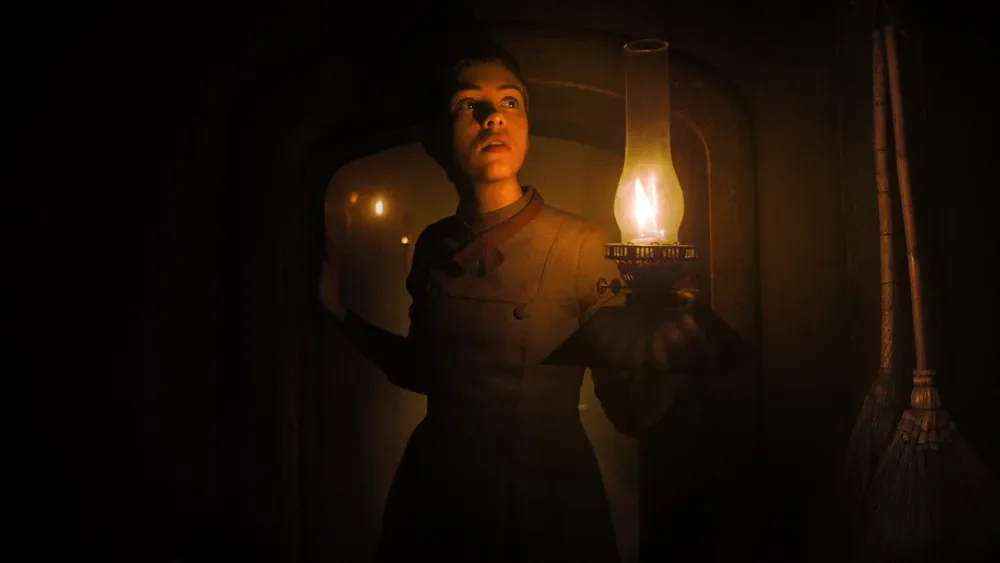
Gretel is played by Sophia Lillis, who horror fans will immediately recognize from It (2017) and It: Chapter Two (2019), although she’s also appeared in Dungeons & Dragons: Honor Among Thieves, and in my opinion, she’s fantastic here. She brings a quiet determination to the character, balancing her vulnerability with a growing confidence as she begins to recognize the forces at work around her.
Opposite her is Alice Krige as the witch at the center of the narrative, and she’s absolutely perfect casting. Krige has had a long and varied career, including her unforgettable portrayal of the Borg Queen in Star Trek: First Contact, the Stephen King adaptation Sleepwalkers, the acclaimed drama Chariots of Fire, and the more recent witch-themed horror film, She Will.
Her performance here is extremely unsettling. She can appear warm at times, even inviting, then make the viewer feel completely fearful and on edge the next through the smallest gestures. There’s also an underlying feeling that she’s withholding something from Gretel. Krige manages to make even seemingly innocent conversations feel loaded with sinister possibilities.
The two spend much of the film engaged in a psychological game of cat and mouse, with Gretel gradually becoming more aware of the danger surrounding her. It’s a fascinating dynamic, and the performances of Lillis and Krige are the linchpin of that dynamic.
Final Thoughts
Something else worth mentioning is that Gretel & Hansel isn’t particularly violent, especially compared to some of Perkins’ other works. There are certainly disturbing moments and unsettling images, but the film relies more on psychological tension and suggestion rather than graphic violence itself. That makes it a relatively accessible piece for horror fans who aren’t really interested in excessive gore.
With all of that being said, I can understand why the film may underwhelm certain viewers who are looking for a more conventional horror experience. The pace is somewhat slow, there’s little gore, and there are hardly any jump-scares. Instead, the film chooses to rely on atmosphere to engross the viewer, and for me, that’s the kind of viewing experience I tend to come back to.
“I’ve said it before: Give me a haunting atmosphere, a solid synth score, and some striking visuals, and you’ve gotten me most of the way there.”
I went into Gretel & Hansel expecting a fairly familiar adaptation of a story I’d heard countless times. Instead, I found a haunting, unexpectedly beautiful interpretation that I think deserves considerably more attention.
I’d love to see more horror fans visit (or revisit) this one. If you dismissed it when it first came out, or skipped it altogether because you weren’t interested in another Hansel and Gretel adaptation, I think you might be surprised. I certainly was.
Next up, we're taking a look at some of our favorite Evil Children movies for Day 24 of the 31 Days of Halloween!
🎃
Previous Day: Day 22 - The People Under the Stairs (1991) – Wes Craven's Nightmare of Social Inequality.
Click here to view all 31 Days of Halloween articles.
Enjoyed the blog? Join the newsletter for monthly movie picks and new releases.